

Introduction
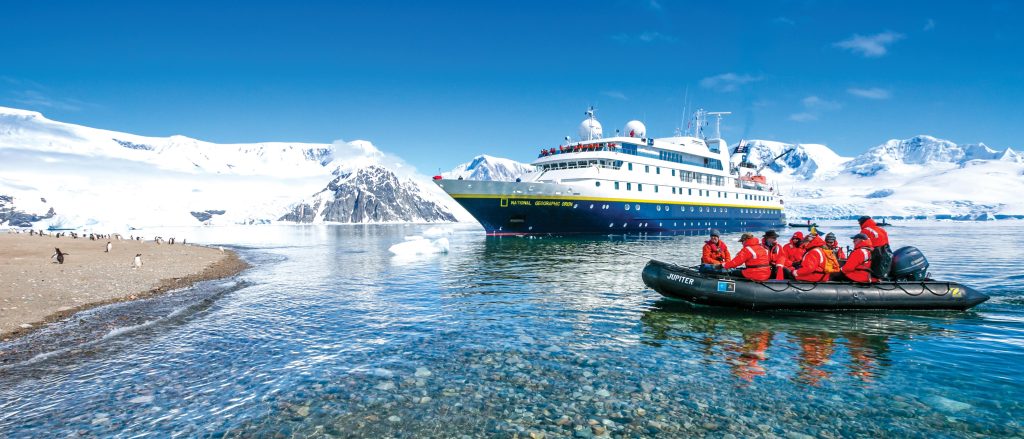
The Arctic is the northernmost region of Earth, surrounding the North Pole. Extreme cold, ice-covered seas and tundra landscapes characterize it. The Arctic includes parts of countries like Canada, Russia, Greenland, Norway, and the United States (Alaska). This region experiences long, harsh winters with polar night (continuous darkness) and short summers with midnight sun (continuous daylight). The Arctic is home to unique wildlife such as polar bears, Arctic foxes, seals, and whales, and plays a crucial role in the Earth’s climate system.
- Research and Plan Thoroughly
Preparation starts long before you step foot into the Arctic. Research the specific region you’ll be visiting, understand the weather patterns, daylight hours, and local wildlife. Familiarize yourself with potential hazards such as crevasses, ice conditions, and unpredictable storms. Planning your route carefully with maps and GPS devices is critical. Also, inform someone reliable about your itinerary and expected return. Arctic conditions can change rapidly, so having a solid plan and contingency options is essential for safety. - Choose the Right Clothing: Layering is Key
In the Arctic, temperatures can plummet drastically. Dressing in layers helps regulate your body temperature and protects you from the biting cold and wind. Start with a moisture-wicking base layer to keep sweat away from your skin, add an insulating mid-layer like fleece or down for warmth, and finish with a windproof, waterproof outer shell to shield against snow and wind. Don’t forget thermal gloves, a warm hat, and a balaclava or face mask to cover exposed skin. Proper footwear with insulated, waterproof boots and wool socks will keep your feet dry and warm. - Invest in Quality Gear
Your survival depends heavily on your gear. Select a four-season tent capable of withstanding strong Arctic winds and heavy snowfall. Bring a sleeping bag rated for extreme cold temperatures, ideally filled with down insulation. A high-quality sleeping pad will insulate you from the freezing ground. Pack a sturdy stove with fuel designed for cold environments, as starting fires can be difficult. Also, bring a multi-tool, ice axe, crampons, and trekking poles to navigate icy terrain safely. Remember, reliable gear can make the difference between life and death. - Master Arctic Survival Skills
Basic survival skills tailored to Arctic conditions are essential. Learn how to build snow shelters, such as igloos or quinzee huts, to protect yourself if your tent fails or you get stranded. Understand how to signal for help using mirrors, flares, or GPS beacons. Practice safe travel on ice, recognizing signs of thin ice or snow bridges. Knowing how to purify water from ice or snow without ingesting harmful bacteria or parasites is crucial. Preparing mentally for the challenges, including isolation and extreme cold, helps maintain focus and calm in emergencies. - Prioritize Nutrition and Hydration
Cold environments increase your body’s calorie needs significantly. Pack high-energy, nutrient-dense foods like nuts, dried fruits, energy bars, and freeze-dried meals. Avoid foods that can freeze easily or become difficult to prepare. Carry enough fuel for cooking and melting snow for water. Hydration is often overlooked in cold climates, but dehydration can impair your physical and cognitive function. Always drink plenty of fluids, even if you don’t feel thirsty, and use insulated bottles to prevent water from freezing. - Protect Against Frostbite and Hypothermia
Two of the biggest threats in the Arctic are frostbite and hypothermia. To prevent frostbite, keep all skin covered, avoid tight clothing that restricts blood flow, and regularly check extremities for signs of cold injury (numbness, discoloration). For hypothermia, stay dry by managing sweat and avoiding prolonged exposure to wind and moisture. If you start shivering uncontrollably or feel confused, seek warmth immediately. Carry a first aid kit stocked with supplies to treat cold injuries and know how to recognize symptoms early. - Prepare for Navigation Challenges
The Arctic can be disorienting due to whiteout conditions, shifting ice, and the absence of typical landmarks. Bring multiple navigation tools, including a compass, GPS device, and detailed maps. Know how to use these tools effectively before your trip. Electronic devices can fail in extreme cold, so have backup batteries and practice traditional navigation methods such as using the sun or stars. Regularly check your position and adjust your course to avoid dangerous areas like unstable ice or crevasses. - Plan for Emergency Situations
Despite all preparation, emergencies can happen. Carry a comprehensive emergency kit that includes a satellite phone or personal locator beacon (PLB), extra food and water, warm blankets, and a compact first aid kit. Learn basic first aid and CPR tailored to cold injuries. Establish an emergency communication plan and know the local search and rescue protocols. Have contingency plans for being stranded, such as building a snow shelter or rationing supplies. Remaining calm and methodical during emergencies increases your chances of survival. - Acclimate Physically and Mentally
The Arctic environment is physically demanding. Before your trip, engage in physical training that boosts endurance, strength, and cold tolerance. Practice carrying a loaded backpack and hiking in layered clothing. Mentally prepare for isolation, extreme weather, and the slow pace of travel. Familiarize yourself with mindfulness or stress management techniques to maintain mental resilience. Being physically fit and mentally ready helps you respond effectively to challenges and enjoy the experience more fully. - Respect the Environment and Wildlife
Finally, remember that the Arctic wilderness is fragile and home to unique wildlife such as polar bears, Arctic foxes, and migratory birds. Follow Leave No Trace principles: pack out all waste, minimize disturbance to animals, and avoid damaging vegetation or ice formations. Be aware of wildlife safety practices, especially regarding polar bears, and carry deterrents like bear spray or flares if necessary. Respecting the environment ensures that the Arctic remains pristine and safe for future explorers and the animals that inhabit it.
Where to Stay in the Arctic
- Arctic Research Stations
For scientists and researchers, many Arctic expeditions base themselves at research stations operated by various countries. These stations offer basic but functional accommodations, often-shared dormitories or cabins, with access to laboratories and equipment. Examples include Ny-Ålesund (Svalbard, Norway) and the Barrow Arctic Research Center (Alaska, USA). - Arctic Hotels and Lodges
Several Arctic towns have hotels and lodges catering to tourists. These range from cozy, rustic lodges with traditional Sami influences to modern hotels with full amenities. Popular towns with accommodations include Longyearbyen in Svalbard, Tromsø in Norway, and Ilulissat in Greenland. - Ice Hotels
For a unique Arctic experience, ice hotels are an unforgettable choice. These are built entirely from ice and snow and rebuilt every year. Famous examples include the ICEHOTEL in Jukkasjärvi, Sweden (technically sub-Arctic but often included in Arctic travel itineraries). Staying in an ice hotel lets you experience Arctic conditions in a safe, artistic setting.
Things to Do in the Arctic
- Ice Diving
Dive beneath the frozen surface to explore the Arctic’s underwater world—crystal-clear ice formations, unique marine life, and surreal silence. - Northern Lights Viewing
Witness the breathtaking Aurora Borealis lighting up the Arctic sky with vibrant colors, especially in winter months. - Dog Sledding
Experience traditional Arctic transportation by mushing a team of sled dogs across snowy landscapes.
Day Trips from Arctic
- From Longyearbyen (Svalbard, Norway)
- Boat trip to Pyramiden: Visit the abandoned Russian mining town with guided tours, wildlife spotting, and spectacular Arctic scenery.
- Dog sledding tour: Experience a half-day or full-day dog sled ride on the snow-covered tundra, guided by expert mushers.
- Snowmobile safari: Explore glaciers, frozen fjords, and valleys with a snowmobile day adventure.
- From Tromsø (Norway)
- Fjord sightseeing cruise: Take a day cruise through the dramatic Norwegian fjords to see wildlife like sea eagles and seals.
- Northern Lights chase (winter): Join a guided evening tour to hunt for the Aurora Borealis away from city lights.
- Arctic wildlife safari: Visit nearby islands or coastal areas for birdwatching and marine life spotting.
- From Ilulissat (Greenland)
- Icefjord boat tour: Sail around the UNESCO-listed Ilulissat Icefjord to witness towering icebergs and floating ice.
- Hiking to Sermermiut: Explore the ancient Inuit settlement ruins with spectacular views of the icefjord.
- Dog sledding or snowmobiling (seasonal): Try winter adventures on the ice and snow-covered tundra.