

Introduction
Antarctica is Earth’s southernmost continent, located around the South Pole. It’s the coldest, windiest, and driest continent, covered almost entirely by ice. Despite its harsh conditions, Antarctica is home to unique wildlife like penguins, seals, and whales. It’s a place of scientific research, pristine natural beauty, and extreme adventure, attracting explorers and scientists from around the world.
- Introduction to Wildlife Tours in the Antarctic Peninsula
The Antarctic Peninsula, one of the most remote and pristine regions on Earth, offers some of the most spectacular wildlife experiences available anywhere in the world. Wildlife tours here are unique adventures that combine breathtaking scenery with encounters with extraordinary animals adapted to the harsh polar environment. These tours attract nature lovers, photographers, and scientists alike, eager to witness firsthand the diverse fauna of this icy wilderness.
- Rich Biodiversity of the Antarctic Peninsula
Despite its extreme climate, the Antarctic Peninsula is teeming with life, particularly during the austral summer when the ice retreats and the ecosystem thrives. The region is home to several species of penguins, seals, whales, and seabirds. Each species has adapted remarkable survival strategies that make the wildlife here fascinating to observe. The Antarctic Peninsula’s rich biodiversity makes it a prime destination for wildlife tours focused on ecological discovery.
- Iconic Penguins of the Antarctic
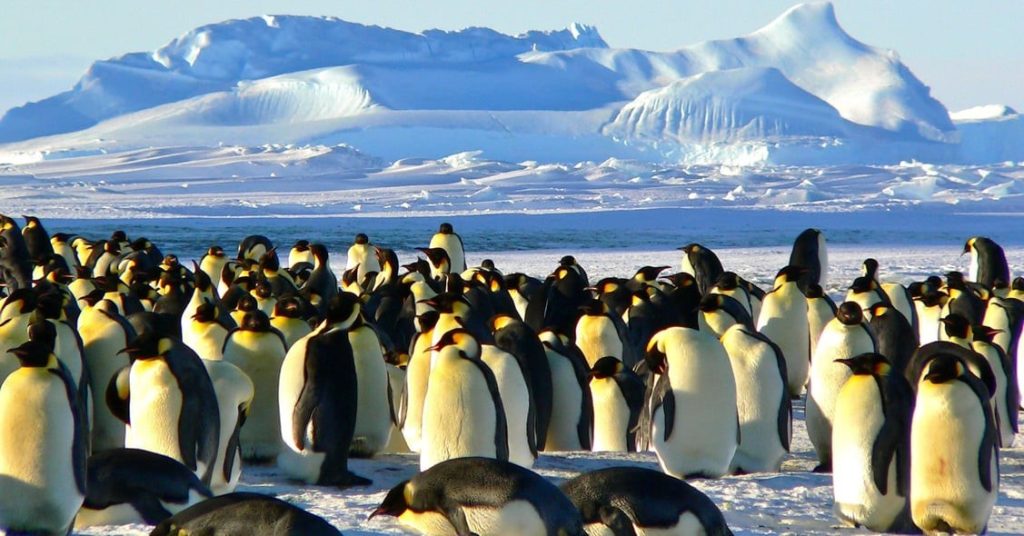
One of the biggest draws of Antarctic wildlife tours is the chance to see penguins in their natural habitat. Species such as the Gentoo, Adelie, and Chinstrap penguins are commonly found along the peninsula’s coastlines. Visitors can watch these charming birds as they waddle across ice, swim in icy waters, and engage in social behaviors like nesting and chick-rearing. These penguin colonies provide incredible photo opportunities and unforgettable wildlife encounters.
- Majestic Whales and Marine Life
The waters surrounding the Antarctic Peninsula are some of the richest feeding grounds for whales in the world. Humpback whales, minke whales, and orcas are frequently spotted on tours, breaching and feeding close to vessels. The nutrient-rich waters that attract krill, the main food source for many Antarctic species, support this abundance of marine life. Whale watching in the Antarctic Peninsula offers a thrilling glimpse into the underwater food chain and its majestic inhabitants.
- Seals of the Ice
The Antarctic Peninsula is also home to several species of seals, including Weddell seals, leopard seals, and crabeater seals. Each species has unique behaviors and habitats; for example, leopard seals are known for their hunting prowess and are often seen lounging on ice floes or swimming near the shore. Seal watching tours provide fascinating insights into these animals’ roles in the Antarctic ecosystem and their adaptations to extreme conditions.
- Seabirds and Other Wildlife
Beyond the more famous animals, the Antarctic Peninsula supports a variety of seabirds such as skuas, petrels, and albatrosses. These birds often soar high above the ice or nest along rugged cliffs, adding to the rich tapestry of Antarctic wildlife. Birdwatching tours highlight the importance of these species in the food web and the delicate balance of the polar ecosystem. Observing these birds in their natural environment enhances any wildlife tour experience.
- Ecotourism and Conservation Efforts
Wildlife tours in the Antarctic Peninsula are conducted with strict environmental regulations to protect this fragile ecosystem. Tour operators follow guidelines set by the Antarctic Treaty System to minimize human impact, including limits on visitor numbers and strict biosecurity measures. Responsible ecotourism supports conservation by educating travelers about the importance of protecting Antarctic wildlife and habitats, ensuring these species can thrive for generations to come.
- Best Time to Visit for Wildlife Viewing
The prime time for wildlife tours in the Antarctic Peninsula is during the austral summer months from November to March. During this period, the ice melts enough to allow ships to navigate the waters safely, and wildlife is most active—penguins are breeding, whales are feeding, and seals are basking. Visitors are rewarded with longer daylight hours and optimal conditions for wildlife observation and photography, making this the best time to experience the region’s natural wonders.
- Activities and Experiences on Wildlife Tours
Wildlife tours in the Antarctic Peninsula offer a variety of immersive activities beyond wildlife watching. Zodiac cruises allow visitors to get close to icebergs and animal colonies, while guided hikes onshore provide opportunities to explore the dramatic landscapes and learn about the environment from expert naturalists. Some tours also include kayaking, camping on the ice, and photography workshops, enhancing the overall adventure and connection to this extraordinary place.
- The Unforgettable Experience of Antarctic Wildlife Tours
Ultimately, wildlife tours in the Antarctic Peninsula offer more than just animal sightings—they provide a profound connection to one of the last great wildernesses on Earth. The combination of spectacular landscapes, unique wildlife, and the sense of being at the edge of the world creates a life-changing experience. For travelers seeking adventure, discovery, and a deeper appreciation of nature, these tours represent an unparalleled journey into the wild heart of Antarctica.
Where to Stay in Antarctica
- Research Stations
The most permanent “accommodations” in Antarctica are the scientific research stations operated by various countries. These facilities house scientists and support staff year-round, but they generally don’t accept tourists overnight. However, some expeditions include brief visits to these stations where visitors can learn about research and life in Antarctica. - Expedition Cruises
The most common way tourists “stay” in Antarctica is on board expedition cruise ships. These vessels serve as both transport and accommodation, offering cabins with varying levels of comfort—from cozy shared rooms to luxury suites. Cruises range from basic to high-end, often featuring expert guides, naturalists, and even zodiac boats for landing on shore. - Icebreaker Ships
Some tours use icebreaker ships capable of navigating thicker sea ice to reach more remote parts of Antarctica. These ships also have onboard cabins and facilities similar to cruise ships but with a stronger focus on exploration and adventure.
Things to Do in Antarctica
- Wildlife Watching
Antarctica is famous for its unique wildlife. You can observe penguins (like Adélie, Gentoo, and Emperor), seals (such as Weddell and leopard seals), whales (including orcas and humpbacks), and a variety of seabirds. Wildlife is most active during the summer months, making it an unforgettable experience. - Zodiac Boat Excursions
Small inflatable boats called Zodiacs allow visitors to get close to icebergs, glaciers, and wildlife along the coast. These excursions offer a thrilling and intimate way to explore areas that larger ships can’t access. - Kayaking
For the more adventurous, kayaking among the ice floes and around pristine shorelines offers a unique perspective on Antarctica’s icy wilderness. Guided tours provide safety and help you
Day trip from Antarctica
- Zodiac Landings
Most Antarctic cruises include multiple short day trips using Zodiac boats to land on the continent or nearby islands. These landings let you explore wildlife colonies, glaciers, and historic sites for a few hours before returning to the ship. - Hiking Excursions
During these day landings, guided hikes on the ice or rocky shorelines allow visitors to experience Antarctica’s terrain safely. - Visits to Research Stations
Some day trips include stops at scientific research stations, where you can learn about ongoing Antarctic research.