

Introduction
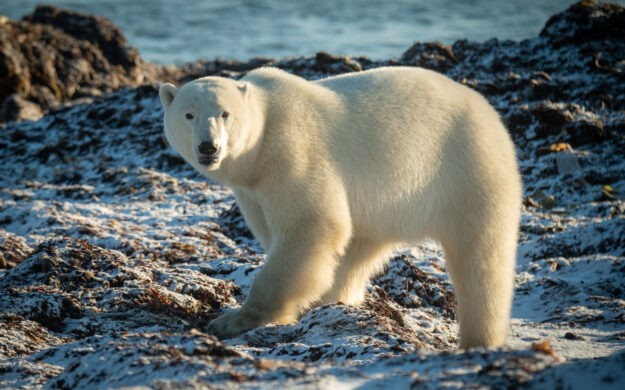
The Arctic is the polar region located at the northernmost part of the Earth, surrounding the North Pole. It includes parts of countries like Canada, Russia, Norway, Greenland, and the U.S. (Alaska), and is mostly covered by sea ice, ocean, and tundra. The Arctic is home to unique wildlife such as polar bears, Arctic foxes, and whales, as well as Indigenous communities. It plays a vital role in regulating the Earth’s climate and is especially sensitive to climate change.
- Introduction to Polar Tourism
Polar Regions—the Arctic and Antarctic—have become increasingly popular travel destinations due to their breathtaking landscapes, unique wildlife, and the sense of adventure they offer. However, these regions are also some of the most fragile ecosystems on Earth. As tourism grows, so does the need for responsible and sustainable practices. Sustainable travel in Polar Regions aims to balance the desire for exploration with the urgent need to protect these pristine environments from irreversible harm. - Understanding Sustainability in the Polar Context
Sustainability in polar travel means minimizing negative environmental, social, and economic impacts while maximizing benefits for conservation and communities. The harsh climates, delicate ecosystems, and remoteness of the Polar Regions make sustainability particularly crucial. The goal is to ensure that tourism does not accelerate climate change effects, disturb wildlife, or damage the natural landscape, which can take decades or even centuries to recover. - Impact of Climate Change
The polar regions are warming at more than twice the global average rate. Melting ice, rising sea levels, and shifting habitats are already evident. Tourism can contribute to this problem through emissions from long-distance travel and cruise ships. Sustainable travel practices focus on reducing carbon footprints, using cleaner transportation options, and supporting climate research. Visitors must understand that their presence has consequences and strive to leave no lasting impact. - Managing Tourist Numbers
Over-tourism can lead to overcrowding at sensitive sites, increased waste, and pressure on wildlife. In response, many polar tour operators and governments have introduced strict visitor limits, permit systems, and guidelines for group sizes. For example, in Antarctica, only 100 passengers from a ship can go ashore at a time. Sustainable travel supports these limits and encourages travelers to choose operators that respect them. - Wildlife Protection
the polar regions are home to species like polar bears, penguins, seals, and whales—all of which are vulnerable to human disturbance. Sustainable travel requires strict wildlife viewing guidelines, such as keeping a safe distance, avoiding loud noises, and never feeding animals. Tour operators often work with biologists or trained guides to ensure that wildlife encounters are educational and non-disruptive. Travelers must act as guests, not intruders, in these wild spaces. - Supporting Indigenous Communities
In the Arctic, many Indigenous communities have lived sustainably for thousands of years. Sustainable tourism can provide them with economic opportunities while respecting their traditions and land rights. Travelers can support Indigenous-owned businesses, learn about their cultures, and avoid exploitative or insensitive behavior. True sustainability includes cultural preservation and ensuring that tourism benefits local people, not just outside tour companies. - Eco-Friendly Transport and Lodging
reducing emissions is a major challenge for polar travel, which often involves long flights and fuel-heavy cruise ships. However, some companies are investing in cleaner technologies, such as hybrid-powered vessels and energy-efficient accommodations. Choosing smaller, environmentally certified operators and supporting those who offset carbon emissions are ways travelers can make a difference. Sustainable travel is not about avoiding the poles altogether—it’s about going smarter and cleaner. - Leave No Trace Principles
A key part of sustainable travel is following the “Leave No Trace” philosophy—taking everything you brought with you back out, and leaving the environment as you found it. In the polar context, this means not leaving waste, disturbing plants or animals, or collecting souvenirs. Even small actions like staying on marked paths and using biodegradable products can help protect the fragile ecosystems. Visitors are stewards of these wild spaces and must act accordingly. - Education and Awareness
Sustainable travel also involves learning—about the environment, the challenges facing the poles, and what individuals can do to help. Many polar expeditions include lectures by scientists, conservationists, and Indigenous leaders. These experiences can transform travelers into advocates for polar protection. Informed travelers are more likely to act responsibly and support conservation efforts even after their trip ends. - Conclusion: Responsibility and Hope
Traveling sustainably in Polar Regions is not just about following rules—it’s about respecting some of the last wild places on Earth. With climate change accelerating, our actions matter more than ever. By choosing ethical operators, reducing our environmental impact, and supporting local communities, we can ensure that polar tourism becomes a force for good rather than harm. Sustainable travel offers hope: that we can explore the world’s extremes without destroying them.
Where to stay in Arctic
Norwegian Arctic (Svalbard)
- Funken Lodge – Longyearbyen, Svalbard
- A boutique, eco-conscious hotel with modern comfort.
- Offers Northern Lights views, fine dining, and guided polar experiences.
- Basecamp Hotel – Longyearbyen
- Built with reclaimed wood, it offers a rustic Arctic trapper-style stay.
- Operates Basecamp Explorer, which focuses on low-impact adventure tourism.
Greenland
- Hotel Arctic – Ilulissat
- The world’s northernmost 4-star hotel, overlooking Ilulissat Icefjord.
- Uses sustainable energy and supports local Greenlandic culture.
- Eqi Glacier Lodge – near Ilulissat
- Remote eco-lodges with glacier views; no roads, reached by boat.
- Solar power, no internet – focused on off-grid sustainability and immersion.
Canadian Arctic
- Arctic Watch Wilderness Lodge – Somerset Island, Nunavut
- Luxury eco-lodge offering wildlife safaris (belugas, musk oxen) and Inuit culture.
- Powered by wind and solar; low-impact, fly-in-only access.
- Blachford Lake Lodge – near Yellowknife, Northwest Territories
- Though just south of the true Arctic, it’s a great Aurora Borealis spot.
- Focus on sustainability, off-grid living, and Indigenous partnerships.
Things to do in Arctic
- Witness the Northern Lights (Aurora Borealis)
- Best viewed between September and April in places like Tromso(Norway), Yellowknife (Canada), and Fairbanks (Alaska).
- Choose locations with minimal light pollution and sustainable tour operators.
- Go Wildlife Watching
- Polar bears in Svalbard, Churchill (Canada), or Wrangel Island (Russia).
- Whales, walruses, Arctic foxes, musk oxen, and reindeer also inhabit Arctic coasts and tundra.
- Travel with licensed eco-guides who prioritize animal welfare.
- Kayak Among Icebergs
- Paddle in the icy waters of Greenland’s Ilulissat Icefjord or Svalbard fjords.
- A silent, non-motorized way to experience glaciers and marine life.
Day trip from Arctic
From Longyearbyen, Svalbard (Norwegian Arctic)
- Glacier Hike or Snowmobile Tour to Tempelfjorden
- Explore stunning Arctic wilderness with views of sea ice and glaciers.
- Available by snowmobile (winter) or boat (summer).
- Look for eco-certified tour companies like Basecamp Explorer.
- Dog Sledding on the Tundra
- Guided sled rides offer a peaceful and traditional way to travel.
- Available year-round (sleds in winter, carts in summer).
From Ilulissat, Greenland
- Boat Trip to the Ilulissat Icefjord (UNESCO Site)
- Sail among giant icebergs calved from the Sermeq Kujalleq Glacier.
- A must-do, low-impact way to witness climate change up close.