

Introduction
Antarctica is Earth’s southernmost continent, located around the South Pole. It’s the coldest, windiest, and driest continent, covered almost entirely by ice. Despite its harsh conditions, Antarctica is home to unique wildlife like penguins, seals, and whales. It’s a place of scientific research, pristine natural beauty, and extreme adventure, attracting explorers and scientists from around the world.
- Introduction to Ice Hotels in the Arctic
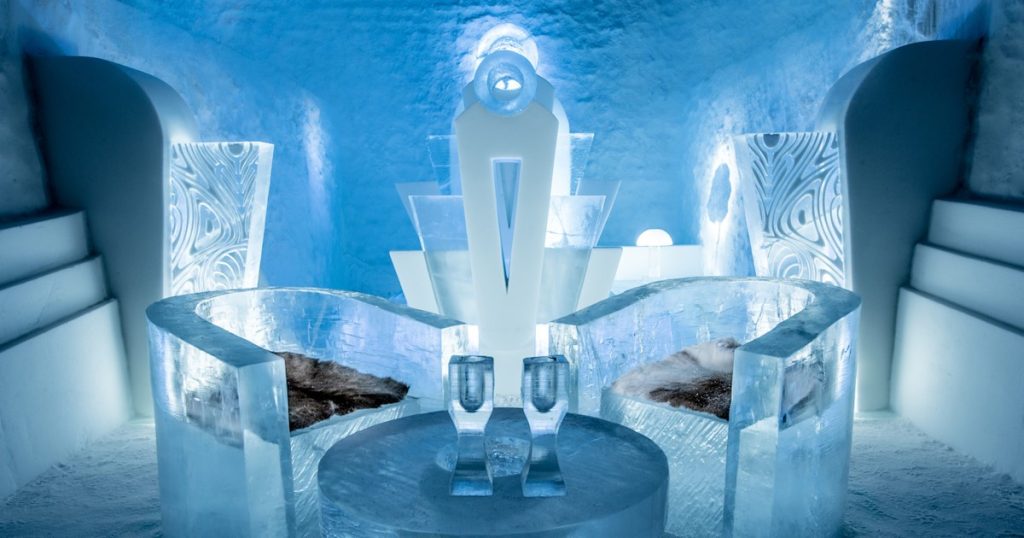
Ice hotels in the Arctic represent one of the most extraordinary and unique forms of accommodation on the planet. Built annually from blocks of ice and snow, these hotels are architectural marvels that blend nature and creativity. They are temporary structures, reconstructed each winter, offering travelers an immersive experience in the frozen wilderness of the Arctic Circle. Staying in an ice hotel is not just about accommodation — it’s about living within a work of art that highlights the beauty and power of the Arctic environment.
- Construction and Design
Every winter, teams of artists and engineers collaborate to design and build ice hotels from scratch. The construction process involves harvesting large ice blocks from frozen lakes or rivers, which are then carefully carved and stacked to create walls, furniture, and intricate ice sculptures. The interiors often feature themed rooms with stunning ice carvings, chandeliers, and even ice beds covered with insulating reindeer hides and thermal sleeping bags. The architectural designs vary each year, showcasing innovative techniques and artistic vision.
- Unique Experience of Staying in Ice Hotels
Sleeping in an ice hotel is a surreal experience because the rooms are maintained at a temperature just below freezing, typically around -5°C (23°F). Guests sleep on specially designed beds that keep them warm despite the icy environment, combining comfort with the thrill of being surrounded entirely by ice. The sensation of living inside a frozen palace offers a deep connection to nature and an appreciation for the fragile Arctic ecosystem.
- Location and Scenic Beauty
Arctic ice hotels are usually located in remote and pristine areas within or near the Arctic Circle, such as in northern Scandinavia (Sweden, Norway, Finland) or parts of Canada and Russia. These locations provide guests with breathtaking views of snowy forests, frozen lakes, and sometimes the mesmerizing Northern Lights. The isolation and natural beauty around these hotels enhance the overall experience, offering peace and tranquility away from urban life.
- Northern Lights Viewing
One of the biggest attractions for visitors staying at Arctic ice hotels is the chance to witness the Northern Lights (Aurora Borealis). The dark, clear Arctic skies during winter create ideal conditions for observing this spectacular natural light display. Many ice hotels provide special viewing areas, guided tours, or even wake-up calls when the aurora appears, making it a magical part of the stay.
- Sustainable and Eco-Friendly Tourism
Ice hotels emphasize sustainability since they are rebuilt annually and leave minimal environmental impact. Because the hotels melt away with the arrival of spring, they do not cause permanent damage to the landscape. Many ice hotels also incorporate eco-friendly practices, such as using renewable energy, minimizing waste, and educating guests on Arctic conservation, helping promote responsible tourism in a fragile ecosystem.
- Activities and Adventure Opportunities
Beyond the unique accommodation, Arctic ice hotels often offer a variety of winter activities that allow guests to explore the surrounding wilderness. These can include dog sledding, snowmobiling, ice fishing, cross-country skiing, and snowshoeing. Such adventures provide an authentic Arctic experience and help visitors engage deeply with the environment while enjoying adrenaline-filled fun.
- Cultural and Artistic Elements
Many Arctic ice hotels incorporate local culture and traditions into their design and guest experience. Indigenous art, folklore, and craftsmanship often inspire the ice sculptures and decor. Guests might also experience traditional Sami culture, including storytelling, music, and cuisine, making the stay not just about nature but also about understanding the rich heritage of Arctic peoples.
- Challenges of Staying in an Ice Hotel
While the experience is magical, staying in an ice hotel requires some preparation and adaptability. The cold environment means guests must dress warmly and be comfortable with sleeping in freezing conditions, even with proper gear. Also, the hotel’s temporary nature means limited facilities compared to traditional hotels — for example, bathrooms are often located in heated adjacent buildings. However, many guests find these challenges part of the adventure.
- Conclusion: Why Choose an Arctic Ice Hotel?
Choosing to stay in an Arctic ice hotel means embracing adventure, creativity, and nature in one extraordinary package. It’s a chance to step out of the ordinary and immerse yourself in a fleeting art installation set against the backdrop of one of the most remote and beautiful environments on Earth. Whether drawn by the allure of the Northern Lights, the thrill of the Arctic wilderness, or the artistic beauty of ice architecture, visitors leave with memories that last a lifetime.
Where to Stay in Antarctica
- Research Stations
The most permanent “accommodations” in Antarctica are the scientific research stations operated by various countries. These facilities house scientists and support staff year-round, but they generally don’t accept tourists overnight. However, some expeditions include brief visits to these stations where visitors can learn about research and life in Antarctica. - Expedition Cruises
The most common way tourists “stay” in Antarctica is on board expedition cruise ships. These vessels serve as both transport and accommodation, offering cabins with varying levels of comfort—from cozy shared rooms to luxury suites. Cruises range from basic to high-end, often featuring expert guides, naturalists, and even zodiac boats for landing on shore. - Icebreaker Ships
Some tours use icebreaker ships capable of navigating thicker sea ice to reach more remote parts of Antarctica. These ships also have onboard cabins and facilities similar to cruise ships but with a stronger focus on exploration and adventure.
Things to Do in Antarctica
- Wildlife Watching
Antarctica is famous for its unique wildlife. You can observe penguins (like Adélie, Gentoo, and Emperor), seals (such as Weddell and leopard seals), whales (including orcas and humpbacks), and a variety of seabirds. Wildlife is most active during the summer months, making it an unforgettable experience. - Zodiac Boat Excursions
Small inflatable boats called Zodiacs allow visitors to get close to icebergs, glaciers, and wildlife along the coast. These excursions offer a thrilling and intimate way to explore areas that larger ships can’t access. - Kayaking
For the more adventurous, kayaking among the ice floes and around pristine shorelines offers a unique perspective on Antarctica’s icy wilderness. Guided tours provide safety and help you
Day trip from Antarctica
- Zodiac Landings
Most Antarctic cruises include multiple short day trips using Zodiac boats to land on the continent or nearby islands. These landings let you explore wildlife colonies, glaciers, and historic sites for a few hours before returning to the ship. - Hiking Excursions
During these day landings, guided hikes on the ice or rocky shorelines allow visitors to experience Antarctica’s terrain safely. - Visits to Research Stations
Some day trips include stops at scientific research stations, where you can learn about ongoing Antarctic research.