

Introduction
Svalbard is a remote Arctic archipelago located halfway between mainland Norway and the North Pole. It is known for its rugged, icy landscapes, including glaciers, mountains, and sea ice. Governed by Norway, Svalbard has a small population living mainly in the largest settlement, Longyearbyen. The region is famous for its unique wildlife, especially polar bears, Arctic foxes, reindeer, and diverse seabirds. Due to its extreme northern location, Svalbard experiences polar day (24-hour daylight) in summer and polar night (24-hour darkness) in winter. It is a popular destination for Arctic research, adventure tourism, and wildlife watching.
- Introduction to Polar Bear Watching in Svalbard
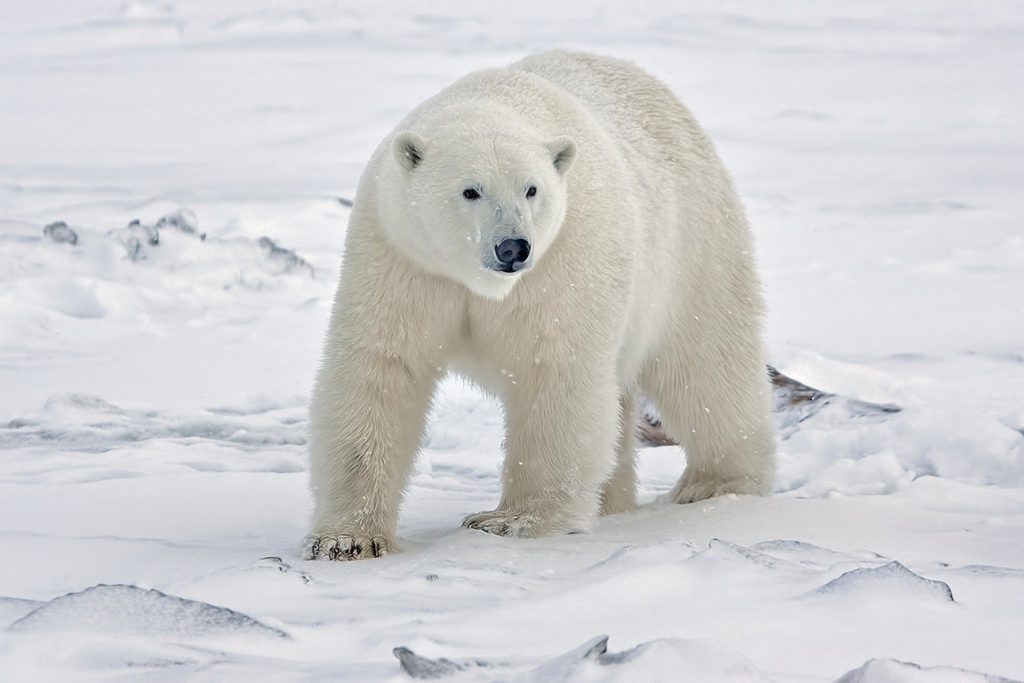
Svalbard, a remote Arctic archipelago situated between mainland Norway and the North Pole, is one of the most extraordinary destinations on Earth for polar bear watching. This pristine wilderness is home to more polar bears than people, making it a prime location to witness these iconic Arctic predators in their natural environment. The dramatic landscapes of glaciers, fjords, and sea ice provide a breathtaking backdrop for encounters with one of the most majestic and elusive animals on the planet.
- Why Svalbard is Ideal for Polar Bear Observation
Svalbard’s unique geography and climate create the perfect habitat for polar bears. The region’s vast expanses of sea ice serve as hunting grounds where polar bears pursue seals, their primary source of food. Unlike many other Arctic regions, Svalbard remains accessible to tourists during the polar bear viewing season, offering a relatively safe yet immersive experience. The high concentration of polar bears in the area, combined with strict wildlife regulations, makes it an ideal place for responsible wildlife watching.
- The Best Time for Polar Bear Watching
The optimal time for polar bear watching in Svalbard is from late spring through early autumn, roughly May to September. During this period, the ice begins to break up and retreat, concentrating polar bears along the coastline and on drifting ice floes. Summer offers long daylight hours under the midnight sun, enhancing opportunities for spotting and photographing polar bears. Winter visits are rare and more challenging, due to extreme cold and limited daylight.
- Types of Polar Bear Watching Expeditions
Visitors can experience polar bear watching through various guided tours, each offering unique advantages. Boat cruises allow travelers to navigate fjords and coastal waters, bringing them close to polar bears without disturbing their natural behavior. Snowmobile safaris and hiking expeditions provide land-based opportunities for viewing and photographing polar bears from safe distances. These guided adventures are led by experienced Arctic guides who prioritize safety and environmental respect.
- Safety and Responsible Viewing Practices
Safety is paramount when observing polar bears, as they are powerful predators capable of dangerous encounters. All tours in Svalbard follow strict safety protocols, including traveling in groups, carrying deterrents, and maintaining safe distances from the animals. Responsible wildlife watching also means minimizing disturbance, respecting protected areas, and adhering to local regulations designed to preserve the fragile Arctic ecosystem and its inhabitants.
- Other Wildlife to Encounter in Svalbard
While polar bears are the star attraction, Svalbard boasts a rich diversity of Arctic wildlife. Visitors frequently spot Arctic foxes, reindeer, walruses, and a variety of seabirds such as puffins and guillemots. The marine environment hosts seals, whales, and seabirds, making every excursion a chance to witness a broad spectrum of Arctic biodiversity. This wildlife richness enhances the overall experience, providing insight into the interconnected Arctic ecosystem.
- Photography Opportunities and Challenges
Polar bear watching in Svalbard is a dream come true for wildlife photographers. The pristine, snow-covered landscapes and dramatic Arctic light create stunning photographic conditions. However, the environment also presents challenges such as cold temperatures, unpredictable weather, and the need for specialized equipment like telephoto lenses and weatherproof gear. Experienced guides help visitors position themselves for the best shots while ensuring safety and respect for the animals.
- Environmental and Climate Considerations
Svalbard’s polar bears face significant threats due to climate change and habitat loss. Melting sea ice reduces their hunting grounds, forcing bears to travel farther and expend more energy to find food. Responsible tourism in Svalbard plays a crucial role in raising awareness and supporting conservation efforts. Visitors are encouraged to learn about the impacts of climate change and to support sustainable travel practices that help protect the fragile Arctic environment.
- Cultural and Scientific Importance
Polar bear watching in Svalbard is not only a wildlife adventure but also an opportunity to connect with Arctic culture and science. The archipelago has a rich history of exploration, research, and indigenous traditions. Many tours incorporate educational components, sharing knowledge about polar bear biology, Arctic ecology, and ongoing scientific studies. This deepens the experience, fostering appreciation and respect for the natural world and the need for its preservation.
- Planning Your Polar Bear Watching Trip
Planning a polar bear watching trip to Svalbard requires careful preparation. Visitors should choose reputable tour operators with experienced guides and a commitment to sustainability. Packing appropriate clothing for Arctic conditions and understanding safety guidelines are essential. Booking well in advance is recommended, especially during peak seasons. Whether it’s a multi-day cruise or a shorter land expedition, a trip to Svalbard promises unforgettable memories and a profound connection to one of the Earth’s last great wildernesses.
Where to Stay in Svalbard
Most visitors stay in Longyearbyen, the largest settlement and the administrative center of Svalbard. It offers a range of accommodation options from cozy guesthouses to modern hotels, all designed to handle the Arctic environment.
- Hotels: Popular choices include Radisson Blu Polar Hotel, Svalbard Hotel, and Funken Lodge — all offering comfortable rooms, good amenities, and easy access to tours and local services.
- Guesthouses and Hostels: For budget travelers, places like Gjestehuset 102 and Coal Miners’ Cabins provide affordable and friendly lodging.
- Cabins and Lodges: Outside of Longyearbyen, some remote lodges and cabins are available for a more immersive Arctic experience, often combined with guided expeditions.
Things to Do in Svalbard
- Polar Bear Watching
Svalbard is famous for polar bears. Join guided boat trips, snowmobile tours, or hiking expeditions to safely observe these incredible Arctic predators in their natural habitat. - Glacier Tours and Ice Caving
Explore stunning glaciers by boat or on foot. Ice caves carved into glaciers offer a surreal experience of walking inside brilliant blue ice formations. - Dog Sledding
Experience traditional Arctic travel by dog sled, either on snow in winter or on wheels during summer. It’s an exciting way to cover ground while enjoying the breathtaking scenery.
Day Trips from Svalbard
- Boat Tour to Nearby Fjords
Explore breathtaking fjords like Isfjorden or Adventfjorden by boat. These tours often include wildlife spotting — polar bears, walruses, seals, and seabirds — plus glacier views and historical sites. - Visit to Barentsburg
Take a day trip to the Russian mining settlement of Barentsburg by boat or snowmobile (season dependent). Experience a unique glimpse into Arctic life and culture, including a local museum and traditional Russian cuisine. - Glacier Hiking and Ice Caving
Guided glacier hikes or ice cave visits near Longyearbyen give you a close-up look at Arctic ice formations and stunning landscapes.