

Introduction
Antarctica is Earth’s southernmost continent, located around the South Pole. It’s the coldest, windiest, and driest continent, covered almost entirely by ice. Despite its harsh conditions, Antarctica is home to unique wildlife like penguins, seals, and whales. It’s a place of scientific research, pristine natural beauty, and extreme adventure, attracting explorers and scientists from around the world.
- Understand the Environment and Conditions
Before packing, it’s essential to research the extreme environment of the Arctic or Antarctic. Temperatures can drop below -40°C (-40°F), and weather can change rapidly with fierce winds and heavy snowfall. This harsh climate demands gear that is not only warm but also durable, waterproof, and windproof. Understanding these conditions helps you prioritize what to bring, balancing warmth, weight, and functionality.
- Layered Clothing System
The key to staying warm in Polar Regions is layering. Your base layer should be moisture-wicking and thermal, such as merino wool or synthetic fabrics that keep sweat away from your skin. The mid-layer provides insulation and could be fleece or down. The outer layer must be windproof and waterproof, often a technical shell jacket and pants. Layering allows you to regulate your body temperature effectively by adding or removing clothing as conditions change.
- Insulated and Waterproof Outerwear
Your outerwear is your primary defense against wind, snow, and freezing temperatures. Invest in a high-quality insulated parka and pants designed for polar expeditions. These garments often feature down or synthetic insulation and reinforced, waterproof fabrics. A hood and adjustable cuffs are critical for trapping heat. Additionally, make sure your outerwear is roomy enough to accommodate your layers underneath without restricting movement.
- Thermal Accessories for Extremities
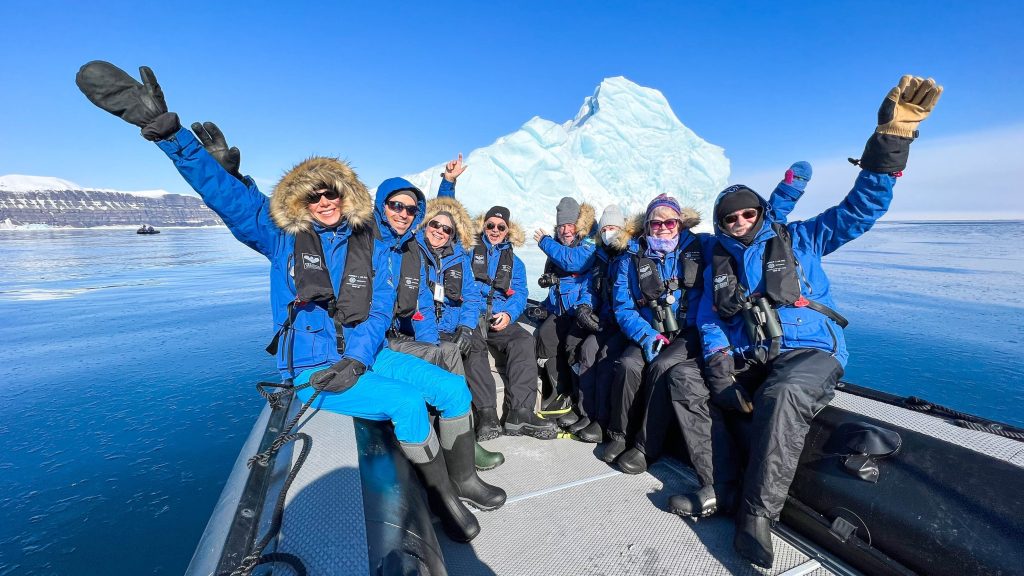
Frostbite commonly affects fingers, toes, ears, and the face, so protecting these areas is crucial. Bring insulated gloves or mittens with liners for dexterity, thick wool or synthetic socks, and sturdy waterproof boots designed for extreme cold. A warm hat that covers your ears, a balaclava or face mask, and UV-protection sunglasses or goggles to prevent snow blindness are also essential.
- Durable and Insulated Footwear
Your feet must stay warm and dry to avoid frostbite and maintain mobility. Polar boots typically have thick insulation and waterproof shells. They should fit well with thermal socks and allow some space for air circulation. Bring multiple pairs of socks to change when they get damp. Consider gaiters to keep snow out of your boots, especially if trekking through deep snow.
- Sleeping Gear for Polar Nights
If your expedition includes camping, your sleeping system must withstand extreme cold. A four-season sleeping bag rated for temperatures well below freezing is a must. Pair it with an insulated sleeping pad to prevent heat loss through the ground. Consider a bivy sack or a sleeping bag liner for added warmth. Proper sleeping gear ensures you rest well and recover energy for the next day.
- Survival and Safety Equipment
Packing safety gear is vital in remote polar regions. Bring navigation tools like GPS and maps, a satellite phone or radio for communication, and a first aid kit tailored for cold injuries. Include fire-starting materials, emergency blankets, and a multi-tool. If the expedition involves sea ice or glaciers, safety equipment such as crampons, ice axes, and harnesses might be required.
- Food and Hydration Supplies
High-energy, easy-to-prepare food is critical in cold environments where your body burns more calories to stay warm. Pack freeze-dried meals, energy bars, nuts, and dried fruits. Use insulated containers to keep water from freezing, and plan to melt snow or ice for drinking water. Staying hydrated helps maintain body heat and energy levels, so carry a reliable water bottle or hydration system.
- Packing Strategy and Weight Management
Since you’ll be carrying or transporting all your gear, packing efficiently is crucial. Use waterproof, durable duffel bags or backpacks with compression straps. Organize items by frequency of use—keep daily essentials accessible. Distribute weight evenly to avoid strain. Minimize unnecessary items, focusing on multi-purpose gear. Proper packing reduces fatigue and ensures you have everything needed for survival and comfort.
- Mental Preparation and Flexibility
Finally, packing for an Arctic or Antarctic expedition isn’t just about physical gear; mental preparedness matters too. Accept that conditions will be harsh and plans might change unexpectedly. Pack items that provide comfort and morale boosts, like a favorite book or small personal items. Flexibility and readiness to adapt your gear and strategy to real conditions are key to a successful and safe polar journey.
Where to Stay in Antarctica
- Research Stations
The most permanent “accommodations” in Antarctica are the scientific research stations operated by various countries. These facilities house scientists and support staff year-round, but they generally don’t accept tourists overnight. However, some expeditions include brief visits to these stations where visitors can learn about research and life in Antarctica. - Expedition Cruises
The most common way tourists “stay” in Antarctica is on board expedition cruise ships. These vessels serve as both transport and accommodation, offering cabins with varying levels of comfort—from cozy shared rooms to luxury suites. Cruises range from basic to high-end, often featuring expert guides, naturalists, and even zodiac boats for landing on shore. - Icebreaker Ships
Some tours use icebreaker ships capable of navigating thicker sea ice to reach more remote parts of Antarctica. These ships also have onboard cabins and facilities similar to cruise ships but with a stronger focus on exploration and adventure.
Things to Do in Antarctica
- Wildlife Watching
Antarctica is famous for its unique wildlife. You can observe penguins (like Adélie, Gentoo, and Emperor), seals (such as Weddell and leopard seals), whales (including orcas and humpbacks), and a variety of seabirds. Wildlife is most active during the summer months, making it an unforgettable experience. - Zodiac Boat Excursions
Small inflatable boats called Zodiacs allow visitors to get close to icebergs, glaciers, and wildlife along the coast. These excursions offer a thrilling and intimate way to explore areas that larger ships can’t access. - Kayaking
For the more adventurous, kayaking among the ice floes and around pristine shorelines offers a unique perspective on Antarctica’s icy wilderness. Guided tours provide safety and help you
Day trip from Antarctica
- Zodiac Landings
Most Antarctic cruises include multiple short day trips using Zodiac boats to land on the continent or nearby islands. These landings let you explore wildlife colonies, glaciers, and historic sites for a few hours before returning to the ship. - Hiking Excursions
During these day landings, guided hikes on the ice or rocky shorelines allow visitors to experience Antarctica’s terrain safely. - Visits to Research Stations
Some day trips include stops at scientific research stations, where you can learn about ongoing Antarctic research.