

Introduction
Antarctica is Earth’s southernmost continent, located around the South Pole. It’s the coldest, windiest, and driest continent, covered almost entirely by ice. Despite its harsh conditions, Antarctica is home to unique wildlife like penguins, seals, and whales. It’s a place of scientific research, pristine natural beauty, and extreme adventure, attracting explorers and scientists from around the world.
- Understanding Antarctica’s Seasons
Antarctica is unique in that its seasons are opposite to those in the Northern Hemisphere. The Antarctic summer runs from November to March, with daylight lasting 24 hours in December and January. This period offers the most favorable conditions for travel, making it the primary tourist season. The extreme cold and darkness of winter, from April to October, render the continent largely inaccessible to visitors. - Weather Conditions and Temperature
During the Antarctic summer, temperatures near the coast range from -2°C to 8°C (28°F to 46°F), which, while still cold, are relatively mild for this region. The winter months plunge far below freezing, often reaching -60°C (-76°F) or colder. Visitors during summer can enjoy more comfortable conditions for outdoor activities such as wildlife viewing and hiking. - Wildlife Viewing Opportunities
The best time to visit Antarctica for wildlife enthusiasts is between November and February, when animals are most active. This is the breeding and nesting season for penguins, seals, and seabirds. You can witness penguin chicks hatching and seals giving birth, making for extraordinary wildlife encounters. - Midnight Sun and Extended Daylight
From mid-November to mid-January, Antarctica experiences the midnight sun, meaning the sun never sets. This phenomenon allows visitors to explore and photograph the stunning landscapes at any hour. The extended daylight also helps ships navigate the icy waters more safely and efficiently. - Sea Ice Conditions and Accessibility
The presence of sea ice affects accessibility to many parts of Antarctica. During the early summer (November), sea ice may still block some routes, but by mid to late summer (January and February), the ice has largely melted, allowing ships to reach more remote destinations such as the Weddell Sea and Antarctic Peninsula. - Types of Antarctic Tours Available
Most tours operate during the summer months and include cruises, fly-in safaris, and research station visits. Cruises are popular for their comfort and access to multiple sites. Timing your visit within the peak months of December and January ensures you’ll experience the most wildlife and best weather. - Avoiding the Crowds
Although Antarctica is one of the least crowded tourist destinations globally, the peak months of December and January see the highest visitor numbers. If you prefer a quieter experience with fewer tourists and more personalized interactions, early summer (November) or late summer (February to March) might be better options. - Activities and Adventures in Different Months
Each part of the summer season offers slightly different activities. November is great for witnessing the ice break-up and early wildlife activity, December and January offer peak wildlife sightings and the midnight sun, and February and March provide calmer seas and more opportunities for kayaking and camping onshore. - Planning Around Research and Conservation
Many parts of Antarctica are protected as natural reserves, and some areas have restricted access to protect delicate ecosystems. Visiting during the summer months aligns with the timing of scientific research expeditions, allowing tourists to see research stations in operation and learn about conservation efforts. - Booking and Preparation Tips
Since the window for visiting Antarctica is narrow and highly seasonal, planning ahead is crucial. Cruises and tours often fill up a year in advance. Preparing with proper gear, such as thermal clothing and waterproof boots, is essential for comfort and safety. Travel insurance that covers Antarctic expeditions is also recommended.
Where to Stay in Antarctica
- Research Stations
The most permanent “accommodations” in Antarctica are the scientific research stations operated by various countries. These facilities house scientists and support staff year-round, but they generally don’t accept tourists overnight. However, some expeditions include brief visits to these stations where visitors can learn about research and life in Antarctica. - Expedition Cruises
The most common way tourists “stay” in Antarctica is on board expedition cruise ships. These vessels serve as both transport and accommodation, offering cabins with varying levels of comfort—from cozy shared rooms to luxury suites. Cruises range from basic to high-end, often featuring expert guides, naturalists, and even zodiac boats for landing on shore. - Icebreaker Ships
Some tours use icebreaker ships capable of navigating thicker sea ice to reach more remote parts of Antarctica. These ships also have onboard cabins and facilities similar to cruise ships but with a stronger focus on exploration and adventure.
Things to Do in Antarctica
- Wildlife Watching
Antarctica is famous for its unique wildlife. You can observe penguins (like Adélie, Gentoo, and Emperor), seals (such as Weddell and leopard seals), whales (including orcas and humpbacks), and a variety of seabirds. Wildlife is most active during the summer months, making it an unforgettable experience. - Zodiac Boat Excursions
Small inflatable boats called Zodiacs allow visitors to get close to icebergs, glaciers, and wildlife along the coast. These excursions offer a thrilling and intimate way to explore areas that larger ships can’t access. - Kayaking
For the more adventurous, kayaking among the ice floes and around pristine shorelines offers a unique perspective on Antarctica’s icy wilderness. Guided tours provide safety and help you
Day trip from Antarctica
- Zodiac Landings
Most Antarctic cruises include multiple short day trips using Zodiac boats to land on the continent or nearby islands. These landings let you explore wildlife colonies, glaciers, and historic sites for a few hours before returning to the ship. - Hiking Excursions
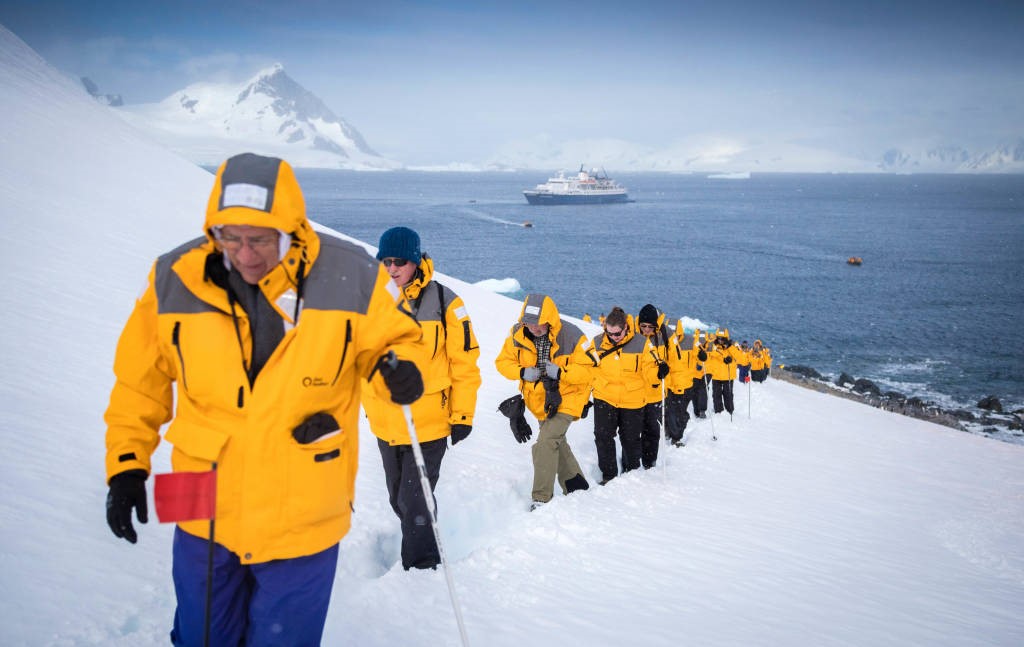
During these day landings, guided hikes on the ice or rocky shorelines allow visitors to experience Antarctica’s terrain safely. - Visits to Research Stations
Some day trips include stops at scientific research stations, where you can learn about ongoing Antarctic research.