

Introduction
Australia is a vast island continent located in the Southern Hemisphere, known for its diverse landscapes, unique wildlife, and multicultural cities. It is the world’s sixth-largest country by land area, featuring everything from tropical rainforests and arid deserts to pristine beaches and modern urban centers. Famous for landmarks such as the Sydney Opera House, the Great Barrier Reef, and Uluru, Australia is a popular destination for nature lovers, adventure seekers, and cultural explorers.
- Great Barrier Reef, Queensland
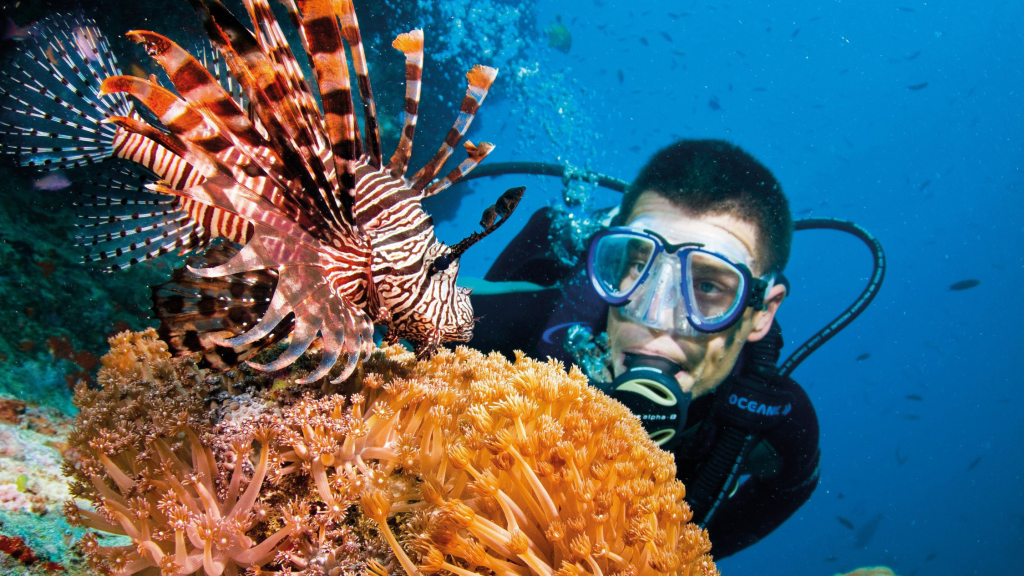
The Great Barrier Reef is Australia’s most famous diving destination and the largest coral reef system in the world. Stretching over 2,300 kilometers, it offers an incredible variety of coral formations, vibrant marine life, and clear waters. Divers can explore colorful reefs, swim with turtles, reef sharks, and even manta rays. Popular dive sites include the Ribbon Reefs and Osprey Reef, which provide spectacular underwater visibility and biodiversity.
- Ningaloo Reef, Western Australia
Ningaloo Reef is renowned for its accessibility and stunning marine encounters, especially the seasonal migration of whale sharks. Divers and snorkelers alike flock here to swim alongside these gentle giants. The reef also hosts manta rays, turtles, and vibrant coral gardens. Unlike the Great Barrier Reef, Ningaloo is less crowded and offers a more intimate experience with pristine waters and healthy coral ecosystems.
- Yongala Shipwreck, Queensland
The SS Yongala wreck is one of the best-preserved and most famous shipwreck dives in Australia. Located off the coast of Townsville, it sank in 1911 and now serves as an artificial reef teeming with marine life, including large schools of fish, sea turtles, and even tiger sharks. The wreck’s structure and abundant sea life make it a thrilling dive for experienced divers.
- Coral Sea, Queensland
The Coral Sea is a remote diving region that offers some of the most untouched reefs in Australia. Famous dive sites like Osprey Reef and the Cod Hole attract divers with clear blue waters and extraordinary marine biodiversity. The Cod Hole, in particular, is known for friendly potato cod that interact with divers, creating a unique underwater experience.
- Julian Rocks, New South Wales
Located near Byron Bay, Julian Rocks Marine Reserve is a popular diving site known for its rich marine biodiversity and strong currents that bring large pelagic species like grey nurse sharks, manta rays, and turtles. The mix of tropical and temperate species makes it an exciting dive site throughout the year.
- Poor Knights Islands, New Zealand (Note: Not Australia but often confused)
If you want purely Australian, replace this with the next entry.
- Rottnest Island, Western Australia
Rottnest Island, near Perth, offers diverse dive sites ranging from kelp forests to sandy bottom areas. It’s famous for encounters with Australian sea lions and a variety of reef fish. The island also has several shipwrecks, making it appealing for divers interested in underwater history and wildlife.
- Sydney Harbour, New South Wales
Sydney Harbour might not be the first place people think of for diving, but it offers interesting wreck dives, rocky reefs, and diverse marine life such as octopus, cuttlefish, and colorful nudibranchs. The mix of urban environment and natural marine habitats creates a unique diving experience close to a major city.
- Batemans Bay, New South Wales
Located on the south coast, Batemans Bay provides excellent temperate water diving with rocky reefs, kelp forests, and underwater caves. Divers can see an array of marine life including cuttlefish, crabs, and sea dragons. The area is less crowded and great for divers seeking quieter, cooler water dives.
- Jervis Bay, New South Wales
Jervis Bay is known for its crystal-clear waters and sandy white beaches. The bay offers great reef diving with abundant fish species and occasional visits from dolphins and seals. It’s a wonderful spot for beginner and intermediate divers, with calm conditions and protected waters.
- Edithburgh, South Australia
Edithburgh is famous for its deep water artificial reefs, including sunken ships and oil rigs that have become vibrant marine habitats. The area is ideal for wreck diving and spotting species like giant cuttlefish during their breeding season. Visibility can be excellent, making it a favorite spot for underwater photographers.
Where to stay in Australia
- Sydney
- Where to stay: Central Business District (CBD), The Rocks, Darling Harbour, Bondi Beach
- Types: Luxury hotels (e.g., Shangri-La), boutique hotels, serviced apartments, budget hostels
- Why: Close to iconic sights like the Sydney Opera House and Harbour Bridge, plus beaches and vibrant nightlife.
- Melbourne
- Where to stay: CBD, Fitzroy, St Kilda, Southbank
- Types: Trendy boutique hotels, stylish apartments, budget hostels, luxury hotels
- Why: Known for art, cafes, laneways, and cultural events, plus proximity to the Great Ocean Road.
- Great Barrier Reef (Cairns, Port Douglas, Airlie Beach)
- Where to stay: Cairns (for reef tours), Port Douglas (luxury and nature), Airlie Beach (gateway to Whitsundays)
- Types: Resorts, eco-lodges, budget hotels, backpacker hostels
- Why: Access to reef snorkeling/diving and tropical rainforests.
Things to do in Australia
- Explore the Great Barrier Reef
Dive or snorkel among vibrant coral reefs and marine life in the world’s largest coral reef system, located off the coast of Queensland.
- Visit Sydney’s Iconic Landmarks
Climb the Sydney Harbour Bridge, tour the Sydney Opera House, and relax at Bondi or Manly Beach.
- Experience the Outback and Uluru
See the stunning red rock monolith Uluru at sunset, learn about Aboriginal culture, and explore the nearby Kata Tjuta rock formations.
Day trip from Australia
From Sydney:
Blue Mountains National Park
Just about 1.5–2 hours west of Sydney, the Blue Mountains offer stunning cliffs, waterfalls, and eucalyptus forests. Highlights include the Three Sisters rock formation, Scenic World rides, and walking trails like the Wentworth Falls track.
From Melbourne:
Phillip Island
Around 90 minutes from Melbourne, Phillip Island is famous for its nightly Penguin Parade, where you can watch little penguins waddle ashore. You’ll also find koalas, beautiful beaches, and the rugged Nobbies coastline.
From Brisbane:
Moreton Island
Just an hour’s ferry ride from Brisbane, Moreton Island is a sand island with amazing snorkelling, sand dunes for tobogganing, and dolphin feeding at Tangalooma Resort.