

Introduction
New Zealand is a beautiful island country located in the southwestern Pacific Ocean, made up mainly of two large islands—the North Island and the South Island—plus numerous smaller islands. Known for its stunning natural landscapes, from rugged mountains and fjords to pristine beaches and lush forests, New Zealand offers diverse environments and outdoor adventures.
- A Haven for Endemic Species
New Zealand is home to an incredible range of endemic wildlife, making it a paradise for photographers seeking rare and unique subjects. Isolated for millions of years, the country evolved its own ecosystem, resulting in species like the flightless kiwi, the alpine parrot kea, and the ancient tuatara reptile. Capturing these animals in their natural habitats allows photographers to contribute to the documentation and appreciation of New Zealand’s remarkable biodiversity. - Dramatic and Diverse Landscapes
Wildlife photography in New Zealand is as much about the backdrop as it is about the subject. The country boasts an astonishing variety of landscapes—from snow-capped mountains and rolling green hills to volcanic plateaus and windswept beaches. Each environment supports different species and offers photographers a wide range of compositions. For instance, penguins waddling across a secluded Otago beach at sunset make for an unforgettable shot. - Accessible Wildlife Hotspots
One of the most convenient aspects of photographing wildlife in New Zealand is the accessibility of its wildlife-rich areas. National parks and reserves are well-maintained, and many provide guided tours and photography-friendly access. Locations like Zealandia in Wellington and Orokonui Ecosanctuary near Dunedin give photographers a high chance of spotting rare birds like the takahe or saddleback, often just a short drive from city centers. - Unique Birdlife and Birdwatching Opportunities
Birdlife is a major draw for wildlife photographers in New Zealand. With over 200 species of native birds, including more than 90 endemics, birdwatching is both a passion and a photographic pursuit. The charismatic tui with its iridescent plumage, the gregarious fantail, and the majestic royal albatross offer rich opportunities for both portrait and action shots. Patience, long lenses, and a bit of local knowledge often pay off with striking images. - Marine Encounters and Coastal Photography
New Zealand’s extensive coastline opens up a world of marine wildlife photography. Kaikoura is world-famous for its sperm whale encounters, while Dusky and Hector’s dolphins can often be seen playing near shorelines. Seals bask on the rocks in areas like Cape Palliser, and yellow-eyed penguins emerge from the sea in the late afternoon. Marine reserves and boat tours often allow photographers to get remarkably close to their subjects while respecting wildlife boundaries. - Ethical Wildlife Photography Practices
With increasing awareness about conservation, ethical wildlife photography is emphasized in New Zealand. Photographers are encouraged to maintain respectful distances, avoid disturbing nesting sites, and never bait or lure animals for a shot. Many locations, such as wildlife sanctuaries, offer codes of conduct that help guide behavior. These ethical practices not only protect vulnerable species but also lead to more authentic and rewarding photographic experiences. - Seasonal Variations and Photographic Opportunities
New Zealand’s changing seasons bring shifting wildlife behaviors, light conditions, and photographic moods. Spring and summer (October to March) are prime times for bird breeding, with chicks hatching and adults feeding—great for action shots. Autumn brings golden landscapes, perfect for deer photography, while winter offers snow-draped mountains that contrast beautifully with native birdlife. Understanding the seasonal rhythms enhances both planning and the creative outcome. - Equipment Considerations and Techniques
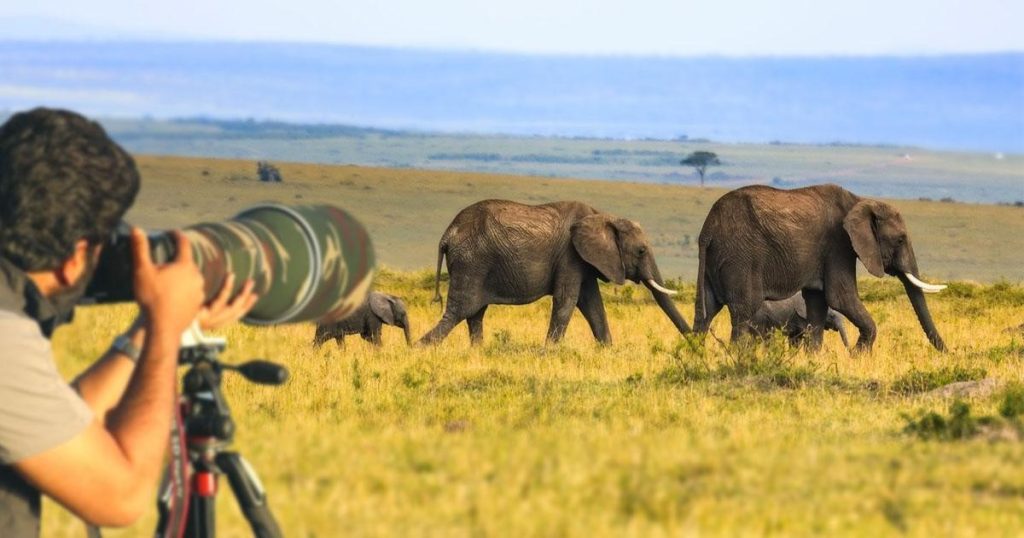
Due to the variety of habitats and lighting conditions, wildlife photographers in New Zealand benefit from a flexible kit. A telephoto lens (300mm or more) is essential for distant or shy animals like seabirds and deer. Wide-angle lenses are ideal for environmental portraits, capturing animals within sweeping landscapes. Tripods, weather-resistant gear, and silent shutters help minimize disturbance and improve image quality. Drone photography is also popular but must follow strict regulations, especially near wildlife. - Conservation-Focused Projects and Opportunities
Photographers in New Zealand often find opportunities to contribute to conservation through their work. Organizations like Forest & Bird, the Department of Conservation (DOC), and various local sanctuaries use photography to raise awareness and funds. Volunteering to document a reforestation project or a native bird release can add purpose to your photographic journey. Some photographers have even built careers around conservation storytelling, blending visual art with advocacy. - A Rewarding Experience for All Skill Levels
Whether you’re a seasoned professional with a wildlife portfolio or an amateur with a passion for nature, New Zealand offers something for every skill level. Well-marked trails, guided wildlife walks, and community-led birdwatching events make it easy to begin, while remote locations like Fiordland or Stewart Island provide advanced challenges and unforgettable shots. The combination of accessibility, diversity, and ecological significance makes wildlife photography in New Zealand an enriching and often life-changing experience.
Where to stay in New Zealand
North Island
- Auckland – Gateway to NZ
- Why stay? Vibrant city life, harbor views, shopping, and food.
- Top areas: CBD (Central Business District), Ponsonby, Viaduct Harbour, Parnell.
- Recommended stays:
- Luxury: Park Hyatt Auckland, SO/ Auckland
- Mid-range: Hotel Grand Windsor, M Social
- Budget: Haka Lodge, Attic Backpackers
- Rotorua – Culture & Geothermal Wonders
- Why stay? Māori culture, geysers, hot springs.
- Top areas: City Center, Lake Rotorua, Whakarewarewa.
- Recommended stays:
- Luxury: Pullman Rotorua, Regent of Rotorua
- Mid-range: Quest Rotorua Central, Prince’s Gate Hotel
- Budget: Rotorua Thermal Holiday Park, Rock Solid Backpackers
- Taupō – Adventure & Lakeside Scenery
- Why stay? Lake Taupō, skydiving, hiking.
- Top areas: Lakefront, Taupō Central.
- Recommended stays:
- Luxury: Hilton Lake Taupo
- Mid-range: Acacia Lake View Motel
- Budget: Taupō Urban Retreat, Haka Lodge Taupō
Things to do in New Zealand
- Explore Milford Sound (Fiordland National Park)
Often called the “Eighth Wonder of the World,” Milford Sound offers breathtaking fjords, towering waterfalls, and wildlife like seals and dolphins. Take a scenic cruise or kayak through the dramatic landscapes.
- Visit Hobbiton Movie Set
Fans of The Lord of the Rings and The Hobbit will love touring the Hobbiton movie set in Matamata. Wander through the Shire with its charming hobbit holes, gardens, and the Green Dragon Inn.
- Go Bungee Jumping in Queenstown
Queenstown is the adventure capital of New Zealand and home to the original commercial bungee jump. Try the Kawarau Bridge jump for an adrenaline rush with stunning river views.
Day trip from New Zealand
- From Auckland: Waiheke Island
Just a 40-minute ferry ride from Auckland, Waiheke Island offers stunning beaches, boutique wineries, olive groves, and great cafes. Enjoy wine tastings, art galleries, and coastal walks all in one day.
- From Wellington: Martinborough Wine Region
About an hour’s drive from Wellington, Martinborough is famous for its Pinot Noir and charming village vibe. Spend the day visiting cellar doors, enjoying gourmet food, and exploring local shops.
- From Queenstown: Glenorchy and Paradise Valley
A scenic 45-minute drive from Queenstown, Glenorchy is the gateway to incredible hiking trails and stunning landscapes used in The Lord of the Rings. Paradise Valley offers incredible photo ops and peaceful nature.