

Introduction
Australia is a vast island continent located in the Southern Hemisphere, known for its diverse landscapes, unique wildlife, and multicultural cities. It is the world’s sixth-largest country by land area, featuring everything from tropical rainforests and arid deserts to pristine beaches and modern urban centers. Famous for landmarks such as the Sydney Opera House, the Great Barrier Reef, and Uluru, Australia is a popular destination for nature lovers, adventure seekers, and cultural explorers.
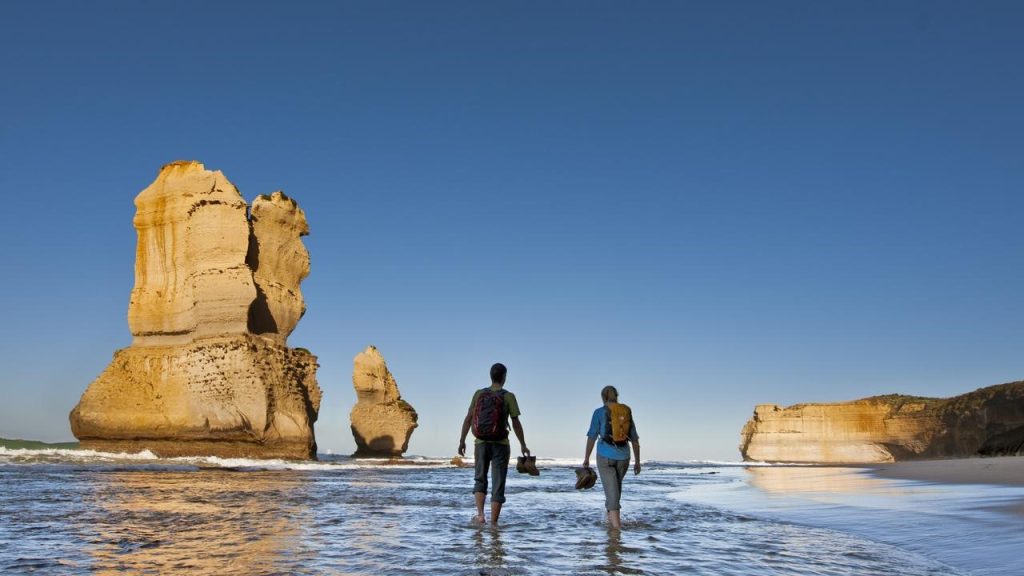
- The Great Ocean Walk – Victoria’s Dramatic Cliffs and the Twelve Apostles
Starting near Apollo Bay and ending at the world-famous Twelve Apostles, the Great Ocean Walk spans over 100 kilometers and takes hikers along some of the most rugged and awe-inspiring coastlines in the country. This multi-day trail offers a perfect combination of rainforest, remote beaches, shipwreck history, and coastal cliffs. Walkers are treated to panoramic views, native wildlife, and optional guided tours that add depth to the journey.
- Bondi to Coogee Walk – Sydney’s Urban Coastal Gem
One of the most accessible and beloved walks in Australia, the Bondi to Coogee Walk stretches six kilometers along Sydney’s eastern coastline. It connects five major beaches—Bondi, Tamarama, Bronte, Clovelly, and Coogee—making it a perfect blend of city life and seaside charm. With ocean pools, Aboriginal rock carvings, and cafés dotted along the way, it’s a favorite for both locals and tourists.
- Cape to Cape Track – Western Australia’s Coastal Wilderness
The Cape to Cape Track runs 135 kilometers between Cape Naturaliste and Cape Leeuwin in Western Australia’s Margaret River region. It’s a journey through wildflower-filled forests, limestone caves, rugged headlands, and surf beaches. One of the track’s unique features is the seasonal whale watching opportunities, particularly between June and November. It’s well-marked, with a mix of campgrounds, eco-lodges, and wineries along the way.
- Bay of Fires Walk – Tasmania’s Coastal Serenity
Located on Tasmania’s northeastern coast, the Bay of Fires Walk is celebrated for its striking natural beauty—white sand beaches, crystal-clear waters, and the vivid orange lichen-covered rocks that give the bay its name. This 30- to 40-kilometer walk can be completed over several days, often as a guided eco-tour. It offers solitude and connection to nature, away from the crowds, and is ideal for those seeking a peaceful hiking experience.
- Coastal Wilderness and Wildlife Encounters
One of the standout features of Australia’s coastal walks is the opportunity to see wildlife in its natural habitat. Kangaroos, wallabies, echidnas, and a variety of seabirds can be spotted along many trails. In some areas, like the Cape to Cape and Great Ocean Walk, you might even see dolphins or migrating whales offshore. These moments add excitement and connection to the environment that few other hiking experiences can offer.
- Aboriginal Cultural Connections
Many coastal trails pass through lands rich in Aboriginal history, offering walkers a chance to engage with the culture and stories of Australia’s First Nations people. Along the Great Ocean Walk and sections of the Bondi trail, interpretive signs and guided tours reveal Dreamtime stories, traditional land uses, and sacred sites. These experiences deepen the meaning of the walk, turning it into both a physical and spiritual journey.
- Eco-Friendly Travel and Sustainability
Australian coastal walks are increasingly promoted as sustainable tourism experiences. Many trails, especially those like the Bay of Fires or Great Ocean Walk, are maintained with conservation in mind, featuring eco-friendly accommodations and Leave No Trace principles. Hikers are encouraged to minimize impact, stick to designated paths, and respect local flora and fauna. These efforts help preserve these stunning environments for future generations.
- Diversity of Landscapes in One Country
One of the most iconic aspects of Australia’s coastal walks is the sheer diversity of landscapes. In one country, you can walk through towering forests in Tasmania, cross windswept dunes in Western Australia, trace the edges of rainforests in Victoria, or walk along sandstone cliffs above Sydney’s beaches. This variation allows walkers to experience vastly different ecosystems and terrains, all within Australia’s extensive coastal network.
- Accessibility and Options for All Fitness Levels
Whether you’re a seasoned trekker or a casual walker, there’s a coastal trail in Australia for you. Short urban walks like Bondi to Coogee offer paved paths and rest stops, while multi-day treks like the Cape to Cape or Great Ocean Walk are better suited for experienced hikers. Many trails also offer guided tour options, luggage transfers, or luxury lodging, making it easy for travelers to tailor the experience to their preferences.
- A Connection to Nature and Mental Wellbeing
Perhaps the most iconic feature of Australia’s coastal walks is the profound sense of wellbeing they offer. Being close to the ocean, breathing in fresh sea air, and walking through natural environments have been shown to reduce stress, boost mood, and enhance mindfulness. For many, these walks are not just about adventure—they’re about reconnecting with nature and themselves in an increasingly busy world.
Where to stay in Australia
- Sydney
- Where to stay: Central Business District (CBD), The Rocks, Darling Harbour, Bondi Beach
- Types: Luxury hotels (e.g., Shangri-La), boutique hotels, serviced apartments, budget hostels
- Why: Close to iconic sights like the Sydney Opera House and Harbour Bridge, plus beaches and vibrant nightlife.
- Melbourne
- Where to stay: CBD, Fitzroy, St Kilda, Southbank
- Types: Trendy boutique hotels, stylish apartments, budget hostels, luxury hotels
- Why: Known for art, cafes, laneways, and cultural events, plus proximity to the Great Ocean Road.
- Great Barrier Reef (Cairns, Port Douglas, Airlie Beach)
- Where to stay: Cairns (for reef tours), Port Douglas (luxury and nature), Airlie Beach (gateway to Whitsundays)
- Types: Resorts, eco-lodges, budget hotels, backpacker hostels
- Why: Access to reef snorkeling/diving and tropical rainforests.
Things to do in Australia
- Explore the Great Barrier Reef
Dive or snorkel among vibrant coral reefs and marine life in the world’s largest coral reef system, located off the coast of Queensland.
- Visit Sydney’s Iconic Landmarks
Climb the Sydney Harbour Bridge, tour the Sydney Opera House, and relax at Bondi or Manly Beach.
- Experience the Outback and Uluru
See the stunning red rock monolith Uluru at sunset, learn about Aboriginal culture, and explore the nearby Kata Tjuta rock formations.
Day trip from Australia
From Sydney:
Blue Mountains National Park
Just about 1.5–2 hours west of Sydney, the Blue Mountains offer stunning cliffs, waterfalls, and eucalyptus forests. Highlights include the Three Sisters rock formation, Scenic World rides, and walking trails like the Wentworth Falls track.
From Melbourne:
Phillip Island
Around 90 minutes from Melbourne, Phillip Island is famous for its nightly Penguin Parade, where you can watch little penguins waddle ashore. You’ll also find koalas, beautiful beaches, and the rugged Nobbies coastline.
From Brisbane:
Moreton Island
Just an hour’s ferry ride from Brisbane, Moreton Island is a sand island with amazing snorkelling, sand dunes for tobogganing, and dolphin feeding at Tangalooma Resort.