

Introduction
Tasmania is an island state of Australia located south of the mainland, known for its stunning natural beauty, rugged wilderness, and rich history. It features diverse landscapes including mountains, forests, beaches, and national parks. Tasmania is famous for outdoor activities like hiking and wildlife spotting, as well as its charming towns, fresh local produce, and unique cultural heritage. It offers a peaceful escape with a mix of adventure and relaxation.
- Introduction to Tasmania
Tasmania, often called “Tassie,” is Australia’s southernmost state, an island rich in natural beauty, history, and culture. Known for its pristine wilderness and laid-back lifestyle, Tasmania offers travelers a unique blend of outdoor adventure and peaceful relaxation. Whether you’re a nature lover, history buff, or foodie, Tasmania’s diverse attractions make it a top destination for those wanting to explore a less crowded, yet incredibly scenic part of Australia.
- Best Time to Visit
The best time to visit Tasmania is during the summer months from December to February when the weather is warm and days are longer, perfect for outdoor activities. However, spring (September to November) and autumn (March to May) also offer pleasant weather with fewer tourists and stunning seasonal changes, such as wildflowers blooming or autumn leaves turning vibrant colors. Winters can be cold and snowy, especially in the highlands, ideal for those wanting a cozy retreat or winter sports.
- Getting There and Getting Around
Tasmania is accessible by air and sea. Hobart and Launceston are the main airports with regular flights from mainland Australia. For those who prefer driving, the Spirit of Tasmania ferry from Melbourne to Devonport is a popular option that allows you to bring your car. Once on the island, renting a car is highly recommended to explore Tasmania at your own pace, as public transport options are limited outside major cities.
- Top Natural Attractions
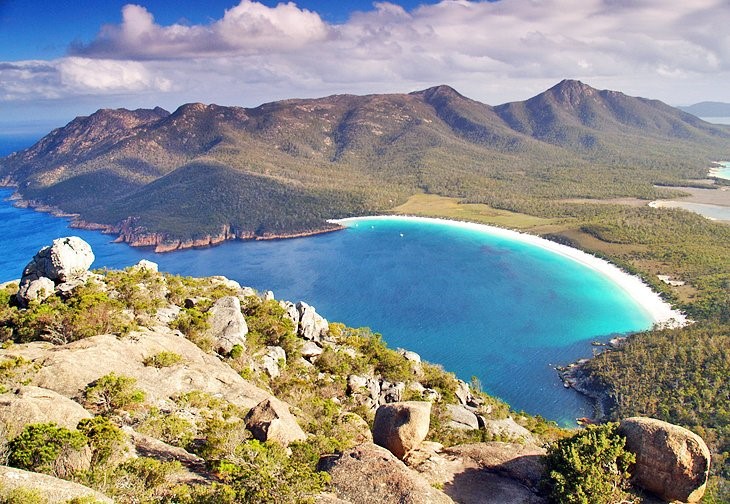
Tasmania’s natural beauty is world-renowned. Cradle Mountain-Lake St Clair National Park offers iconic hiking trails and stunning alpine scenery. Freycinet National Park is famous for Wineglass Bay, one of the world’s most photographed beaches. The Bay of Fires showcases striking orange-lichen-covered rocks along pristine white beaches. Tasmania also boasts ancient rainforests, rugged coastlines, and peaceful lakes, providing endless opportunities for nature lovers.
- Wildlife Encounters
Tasmania is home to unique wildlife that can be seen in the wild or at conservation parks. The elusive Tasmanian devil, known for its fierce growl, is the island’s most famous resident. You can also spot wombats, echidnas, platypus, and various bird species. Maria Island and Bruny Island offer excellent wildlife experiences, including penguin sightings and native birdwatching. Tasmania’s commitment to conservation helps protect these rare species and their habitats.
- Historical and Cultural Highlights
Tasmania’s history is deeply connected to its convict past. Port Arthur Historic Site is one of Australia’s best-preserved penal colonies and offers insight into 19th-century convict life. Hobart, the capital, has a vibrant arts scene, with attractions like the Museum of Old and New Art (MONA), which challenges traditional ideas of art and culture. Exploring Tasmania’s small towns reveals colonial architecture, local craft markets, and a growing Indigenous cultural presence.
- Food and Wine Scene
Tasmania’s cool climate is perfect for producing fresh, high-quality food and wine. The island is famous for its seafood, including oysters, scallops, and abalone, as well as cheeses, berries, and truffles. The Tamar Valley and Coal River Valley are renowned wine regions, producing excellent pinot noir and sparkling wines. Food festivals, farmers’ markets, and gourmet restaurants throughout Tasmania offer delicious ways to sample local produce.
- Outdoor Activities and Adventures
Adventure seekers will find plenty to do in Tasmania. Hiking is a major draw, with trails ranging from short walks to the challenging Overland Track through the Tasmanian Wilderness World Heritage Area. Kayaking along the coastline, mountain biking in forested trails, and diving to explore underwater kelp forests are popular activities. For a more relaxed experience, scenic drives and wildlife tours provide a closer connection to the landscape.
- Accommodation Options
Tasmania offers a wide range of accommodation to suit all budgets and tastes. You can stay in luxury lodges nestled in nature, cozy boutique hotels in Hobart or Launceston, eco-friendly cabins, or campgrounds within national parks. Many accommodations emphasize sustainability and local experiences, making your stay not just comfortable but also environmentally responsible and culturally immersive.
- Travel Tips and Practical Information
When planning your trip, remember Tasmania’s weather can be unpredictable, so pack layers and be prepared for sudden changes. Driving distances can be longer than expected due to winding roads, so allow plenty of time to reach destinations. Mobile coverage is patchy in remote areas, so download maps offline. Respect local wildlife and natural environments by following park guidelines. Finally, engage with local communities to enrich your experience and support Tasmania’s tourism sustainably.
Where to stay in Tasmania
- Hobart (Southern Tasmania)
Best for: Culture, history, dining, and city access
Hobart, the capital city, is perfect if you enjoy museums (like MONA), markets, dining, and day trips to places like Bruny Island or Mount Wellington.
- Luxury: MACq 01 Hotel, The Henry Jones Art Hotel
- Mid-range: Salamanca Inn, RACV Hobart Hotel
- Budget: Montacute Boutique Bunkhouse, The Pickled Frog Backpackers
- Unique: Stay in a waterfront loft or historic sandstone building
- Launceston (Northern Tasmania)
Best for: Food and wine, gateway to Tamar Valley
Launceston is known for its historic architecture, Cataract Gorge, and access to the Tamar Valley wine region.
- Luxury: Stillwater Seven, Peppers Silo Hotel
- Mid-range: Hotel Verge, Mantra Charles Hotel
- Budget: Arthouse Hostel, TRC Hotel
- Unique: Vineyard stays in Tamar Valley
- Cradle Mountain-Lake St Clair National Park
Best for: Hiking, wilderness, and nature
This area is ideal for adventure lovers looking to explore one of Tasmania’s most iconic natural landscapes.
- Luxury: Peppers Cradle Mountain Lodge, Cradle Mountain Hotel
- Mid-range: Discovery Parks – Cradle Mountain
- Budget: Waldheim Cabins (basic but well-located)
- Unique: Stay in eco-lodges with wildlife at your doorstep
Things to do in Tasmania
- Explore Cradle Mountain-Lake St Clair National Park
One of Tasmania’s most iconic natural destinations, Cradle Mountain offers breathtaking alpine scenery, wildlife encounters, and world-class hiking—including the famous Overland Track.
- Visit Wineglass Bay in Freycinet National Park
Hike to the lookout for panoramic views of Wineglass Bay, consistently ranked among the world’s most beautiful beaches. You can also kayak, swim, or take a boat tour along the coast.
- Discover Port Arthur Historic Site
A UNESCO World Heritage Site, Port Arthur offers a deep look into Australia’s convict past. Guided tours, ghost walks, and scenic boat rides enhance the experience.
Day trip from Tasmania
From Hobart
- Bruny Island
- Travel time: ~40 mins drive + 20-min ferry
- Highlights: Wildlife (penguins, seals), cheese and oyster tastings, cliff-top walks, and scenic cruises
- Must-do: The Neck lookout and Bruny Island Cruises
- Port Arthur & Tasman Peninsula
- Travel time: ~1.5 hours
- Highlights: Port Arthur Historic Site, dramatic sea cliffs, Tasman Arch, Devils Kitchen, and hiking the Three Capes Track (short sections)
- Must-do: Port Arthur Ghost Tour at dusk (if you’re staying late)
- Mount Field National Park
- Travel time: ~1.5 hours
- Highlights: Russell Falls, tall Eucalyptus forests, and short rainforest walks
- Must-do: Walk to Russell Falls and see the giant swamp gums.