

Introduction
Egypt is a country in northeastern Africa, famous for its rich history, ancient civilization, and iconic landmarks like the Pyramids of Giza, the Sphinx, and the Nile River—the longest river in the world. Its capital is Cairo, a vibrant city blending modern life with historical treasures, including Islamic architecture and the famous Egyptian Museum.
- Introduction to Desert Safaris in Egypt
Desert safaris in Egypt offer an extraordinary way to explore one of the world’s most iconic landscapes—the vast, mysterious deserts that stretch across the country. Far beyond the famous Nile Valley and ancient pyramids, Egypt’s deserts are filled with stunning natural wonders, unique wildlife, and rich cultural experiences. Whether you seek adventure, tranquility, or a glimpse into traditional Bedouin life, a desert safari provides an unforgettable journey into Egypt’s wild heart.
- Diverse Desert Landscapes
Egypt’s deserts are not just endless sand dunes. The country boasts several distinct desert regions, each with its own unique charm. The Sahara Desert dominates the west, with vast sandy expanses and rocky plateaus. The White Desert, famous for its surreal chalk formations shaped by wind and sand, offers otherworldly scenery unlike anywhere else on Earth. The Black Desert features volcanic hills and dark-colored rocks, while the Great Sand Sea extends massive dunes along the Libyan border. These diverse landscapes provide a stunning backdrop for safari adventures.
- Types of Desert Safaris
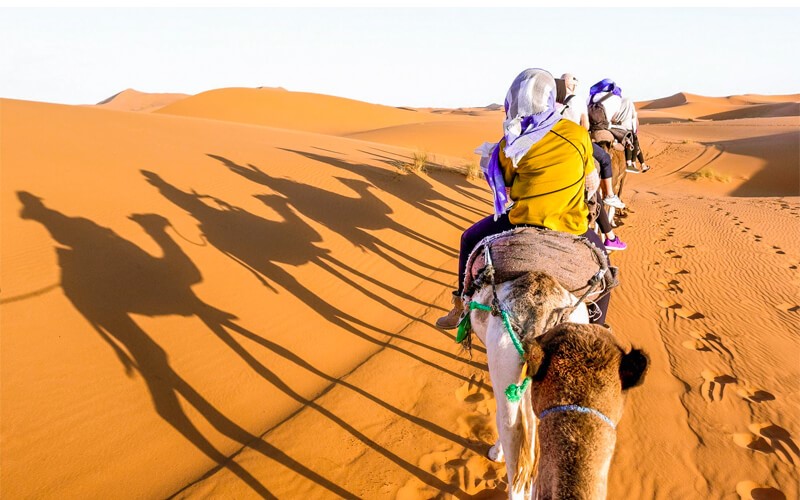
Desert safaris in Egypt come in many forms, catering to different tastes and adventure levels. Popular options include 4×4 vehicle tours that zoom across sand dunes for adrenaline-filled dune bashing experiences. Camel safaris provide a more traditional, slower-paced way to experience the desert, reminiscent of ancient Bedouin caravans. There are also hiking safaris, sandboarding excursions, and even quad biking tours for those seeking thrilling desert rides. Many safaris combine several activities for a full adventure package.
- Exploring Remote Oases
A unique feature of Egyptian desert safaris is the opportunity to visit remote desert oases, such as Bahariya, Farafra, Dakhla, and Siwa. These lush pockets of life in the arid desert are home to palm groves, natural springs, and traditional communities that have thrived for centuries. Visitors can experience local culture, taste fresh dates and olives, and see ancient ruins. Oases provide a refreshing contrast to the surrounding desert and are often a base for desert camping and exploration.
- Cultural Experiences with the Bedouins
Many desert safari tours include interactions with Bedouin tribes, the traditional nomadic peoples of Egypt’s deserts. Guests can enjoy authentic Bedouin hospitality, including traditional tea ceremonies, storytelling, and music around campfires. Visitors learn about the Bedouins’ way of life, survival skills in harsh desert conditions, and their rich folklore. This cultural immersion adds depth and meaning to the safari experience, connecting travelers to Egypt’s living heritage.
- Camping Under the Stars
One of the most magical aspects of desert safaris in Egypt is overnight camping in the desert. Far from city lights, the night sky reveals a dazzling display of stars, constellations, and the Milky Way. Camp setups range from simple Bedouin-style tents to luxury desert camps with all modern amenities. Nights are often filled with traditional music, dance performances, and delicious meals cooked over open fires. This unique experience creates lasting memories and a profound sense of connection to nature.
- Wildlife and Nature
While Egypt’s deserts might seem barren at first glance, they host a surprising variety of wildlife adapted to extreme conditions. Safari travelers might spot desert foxes, jerboas (small hopping rodents), various lizards, and birds such as desert eagles and sandgrouse. The flora includes resilient desert plants like acacia trees and desert shrubs that have adapted to survive with little water. Nature lovers find the desert ecosystem fascinating and a perfect place for photography and wildlife observation.
- Adventure Activities
For thrill-seekers, desert safaris offer a range of exciting activities beyond sightseeing. Dune bashing in powerful 4×4 vehicles lets visitors experience the adrenaline rush of speeding over towering sand dunes. Sandboarding down steep slopes mimics snowboarding and is a favorite among younger travelers. Some tours also include quad biking, hiking over rocky desert terrain, and exploring hidden caves or rock formations. These activities add a dynamic element to the desert safari, balancing relaxation with excitement.
- Seasonal Considerations
The best time for a desert safari in Egypt is during the cooler months, typically from October to April. During this period, daytime temperatures are comfortable, and nights are cool but manageable. Summer months can be extremely hot, sometimes exceeding 40°C (104°F), which may make desert exploration challenging. Planning your safari according to the seasons ensures a safe and enjoyable experience, especially if camping overnight. Early mornings and late afternoons are also ideal times for exploring due to cooler temperatures and beautiful light for photography.
- Why Choose a Desert Safari in Egypt?
Choosing a desert safari in Egypt offers travelers a unique opportunity to experience the country beyond the usual tourist spots. It combines adventure, nature, history, and culture in one immersive package. The stunning landscapes, ancient oases, and warm Bedouin hospitality provide an authentic and enriching experience. Whether you are a solo traveler, a couple, or a family, a desert safari promises memories of tranquility, wonder, and discovery that stay with you long after you return home.
Where to stay in Egypt
- Cairo: The Bustling Capital
Cairo is Egypt’s largest city and the main gateway for most visitors. Accommodation here ranges from budget hostels to luxury 5-star hotels. Staying near downtown or the Giza Plateau puts you close to the Pyramids of Giza, the Egyptian Museum, and vibrant bazaars like Khan El Khalili. Popular areas include Zamalek (a leafy, upscale island neighborhood), Downtown Cairo (historic vibe), and near the Nile Corniche for great river views.
- Luxor: The Ancient City of Temples
Luxor is a must-visit for history lovers, as it’s home to the Valley of the Kings, Karnak Temple, and Luxor Temple. Accommodation here includes charming boutique hotels along the Nile with stunning views, mid-range hotels, and some luxury resorts. Staying on the East Bank puts you closer to the city center and temples, while the West Bank offers a quieter, more rustic experience near tomb sites.
- Aswan: The Serene Nile Oasis
Aswan offers a peaceful contrast to busy Cairo and Luxor, with beautiful Nile views and a more relaxed atmosphere. You can stay in comfortable hotels or traditional Nubian guesthouses. Many visitors opt for Nile cruise boats, which serve as floating hotels, allowing you to experience the river’s beauty while traveling between destinations.
Things to do in Egypt
- Visit the Pyramids of Giza and the Sphinx
No trip to Egypt is complete without seeing the legendary Pyramids of Giza—the last remaining ancient Wonder of the World—and the mysterious Great Sphinx guarding them. Explore the plateau, learn about ancient Egyptian history, and even go inside some pyramids.
- Explore the Egyptian Museum in Cairo
Home to thousands of artifacts, including the treasures of King Tutankhamun, this museum offers an unparalleled glimpse into Egypt’s ancient civilization. It’s a must-visit for history buffs.
- Cruise the Nile River
Take a traditional felucca sailboat or a luxury Nile cruise between Luxor and Aswan. Enjoy stunning views of the river, visit temples along the banks, and experience rural Egyptian life.
Day trip From Egypt
- Pyramids of Giza & Sphinx
The classic day trip from Cairo—explore the world-famous pyramids, the Sphinx, and the Solar Boat Museum. You can also visit a camel or horse ride nearby. - Saqqara and Dahshur
Discover the Step Pyramid of Djoser in Saqqara, Egypt’s oldest pyramid, and visit the Bent and Red Pyramids at Dahshur, less crowded but equally impressive. - Alexandria
A longer day trip, but possible if you start early. Visit the Mediterranean city’s landmarks like the Citadel of Qaitbay, the Roman Amphitheatre, and the modern Bibliotheca Alexandrina.