

Introduction
Africa is the second-largest continent in the world, both in size and population. It is located south of Europe and bordered by the Mediterranean Sea to the north, the Atlantic Ocean to the west, the Indian Ocean to the east, and the Red Sea and Suez Canal connecting it to Asia in the northeast.
- Introduction to Lake Malawi
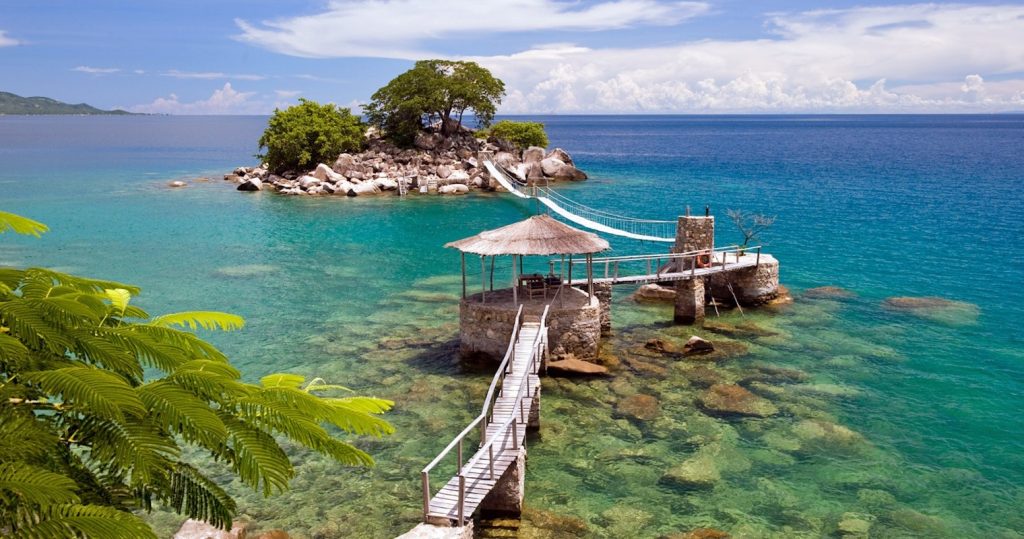
Lake Malawi, also known as Lake Nyasa in Tanzania and Lago Niassa in Mozambique, is one of the largest and most important freshwater lakes in Africa. It lies within the East African Rift Valley and is bordered by three countries—Malawi, Mozambique, and Tanzania. With a surface area of about 29,600 square kilometers and a depth of up to 706 meters, it is the third-largest lake in Africa and the ninth-largest in the world. It holds more water than any other lake in Africa and ranks among the deepest in the world. The lake plays a crucial role in the ecological, economic, and cultural life of the region. - Geographic and Geological Features
Lake Malawi is part of the Great Rift Valley system, which was formed millions of years ago by tectonic activity. The rift created a long, narrow basin that eventually filled with water to form the lake. It stretches over 560 kilometers (about 350 miles) from north to south and has a width of up to 75 kilometers (about 47 miles). The surrounding landscape includes mountains, plateaus, and forests, which contribute to its scenic beauty. The lake is fed by several rivers, including the Ruhuhu and Songwe, and it drains into the Shire River, a tributary of the Zambezi. - Biodiversity and Unique Ecosystem
One of the most remarkable aspects of Lake Malawi is its biodiversity. It is considered a global hotspot for freshwater biodiversity, hosting more than 1,000 species of fish—most of them endemic. The lake is especially famous for its cichlids, colorful freshwater fish known for their incredible variety. These species have evolved through adaptive radiation, a process where new species develop rapidly from a common ancestor. The lake’s crystal-clear waters and stable conditions have made it an ideal environment for studying evolution and aquatic ecology. - Economic Importance
Lake Malawi is a vital resource for millions of people who live along its shores. It supports a wide range of economic activities, including fishing, agriculture, and transportation. Fishing is particularly important, both for local consumption and for commercial sale. The lake’s fish provide a significant source of protein and income for communities. Additionally, the fertile lands surrounding the lake are used for farming crops such as maize, cassava, and rice. Boats and ferries are commonly used for transporting goods and people between towns and villages along the lakeshore. - Tourism and Recreation
Tourism is a growing industry around Lake Malawi, thanks to its natural beauty, warm climate, and rich wildlife. Visitors are attracted to its clear waters, sandy beaches, and picturesque islands. Popular tourist activities include swimming, snorkeling, scuba diving, and kayaking. The lake’s southern tip is home to Lake Malawi National Park, a UNESCO World Heritage Site known for its protection of aquatic life and scenic landscapes. Tourists also enjoy cultural experiences, such as visiting traditional fishing villages and exploring local crafts and cuisine. - Cultural and Social Significance
Lake Malawi holds deep cultural significance for the people who live near it. Many ethnic groups, including the Chewa, Yao, and Tonga, have lived around the lake for generations. Their livelihoods, customs, and social traditions are closely tied to the water. Folklore, songs, and dances often reflect the importance of the lake. In many communities, the lake is seen not only as a source of life but also as a spiritual symbol. Ceremonies and rituals are sometimes performed on its shores, especially during times of hardship or celebration. - Environmental Challenges
Despite its natural beauty and ecological value, Lake Malawi faces several environmental challenges. Overfishing, pollution, and habitat destruction have put pressure on its fragile ecosystem. Unsustainable fishing practices, such as the use of fine-mesh nets, are depleting fish stocks and endangering biodiversity. In addition, agricultural runoff, waste disposal, and climate change are contributing to water pollution and rising temperatures. These threats not only impact wildlife but also affect the livelihoods and food security of people who depend on the lake. - Conservation Efforts
Recognizing the importance of preserving Lake Malawi, various conservation initiatives have been launched by governments, non-governmental organizations (NGOs), and international partners. Lake Malawi National Park plays a key role in protecting both aquatic and terrestrial biodiversity. Education programs, community engagement, and sustainable fishing practices are being promoted to ensure long-term environmental health. International cooperation is also vital, as the lake spans three countries. Joint management plans and scientific research are essential to balance human needs with ecological preservation. - Scientific Research and Global Importance
Lake Malawi is not just significant for the region—it is also of great interest to the global scientific community. Its clear waters, stable environment, and extraordinary fish diversity provide a living laboratory for studying ecology, evolutionary biology, and climate science. Researchers have used the lake to better understand how species adapt to different habitats and how climate change impacts freshwater systems. The data collected from Lake Malawi has helped shape global conservation strategies and informed the management of other freshwater bodies around the world. - Conclusion and Future Outlook
Lake Malawi stands as a symbol of natural wonder, human resilience, and ecological importance. Its stunning scenery, rich biodiversity, and cultural depth make it one of Africa’s most valuable natural assets. However, its future depends on sustainable practices, regional cooperation, and continued investment in conservation. With growing awareness and responsible management, Lake Malawi can continue to support both people and nature for generations to come. As one of the world’s freshwater treasures, it deserves not only admiration but also protection.
Where to stay in Africa
- East Africa
- Kenya – Great for safaris and wildlife.
- Stay: Maasai Mara lodges (e.g., Angama Mara), Nairobi city hotels, Diani Beach resorts.
- Tanzania – Home of Mount Kilimanjaro and Zanzibar.
- Stay: Serengeti safari camps, Arusha lodges, Zanzibar beach resorts.
- Uganda – Gorilla trekking and nature.
- Stay: Bwindi eco-lodges, Kampala hotels.
- Southern Africa
- South Africa – Diverse experiences: wildlife, wine, cities.
- Stay: Cape Town boutique hotels, Kruger National Park lodges, Stellenbosch wine estates.
- Botswana – High-end, exclusive safaris.
- Stay: Okavango Delta luxury camps, Chobe lodges.
- Zambia/Zimbabwe – For Victoria Falls.
- Stay: Livingstone or Victoria Falls town lodges.
- North Africa
- Morocco – Culture, desert, mountains.
- Stay: Marrakech riads, Sahara desert camps, Atlas mountain lodges.
- Egypt – Ancient history and the Nile.
- Stay: Cairo hotels, Nile river cruises, Red Sea resorts in Hurghada or Sharm El Sheikh.
Things to do in Africa
- Go on a Safari
Africa is the best place on Earth to see wild animals in their natural habitat.
- Where to go:
- Kenya: Maasai Mara (Great Migration)
- Tanzania: Serengeti, Ngorongoro Crater
- South Africa: Kruger National Park
- Botswana: Okavango Delta
- Namibia: Etosha National Park
- Uganda/Rwanda: Gorilla trekking
- Relax on Stunning Beaches
Africa has some of the most beautiful (and uncrowded) beaches in the world.
- Top beach spots:
- Zanzibar (Tanzania) – White sand & turquoise water
- Seychelles – Luxury island paradise
- Mauritius – Resorts & coral reefs
- Cape Verde – Volcanic islands off West Africa
- South Africa – Camps Bay, Durban, Eastern Cape
- Explore the Desert
Discover dramatic dunes and ancient cultures.
- Highlights:
- Sahara Desert (Morocco, Tunisia, Algeria, Egypt) – Camel trekking & stargazing
- Namib Desert (Namibia) – Sossusvlei’s red dunes
- Danakil Depression (Ethiopia) – One of Earth’s hottest, most alien landscapes
Day trip from Africa
- From Cape Town, South Africa
Cape of Good Hope & Boulders Beach
- Visit the dramatic southern tip of the Cape Peninsula.
- See the famous African penguins at Boulders Beach.
- Scenic drive via Chapman’s Peak.
Winelands Tour (Stellenbosch & Franschhoek)
- Wine tasting, cellar tours, and gourmet food.
- Beautiful vineyards just 1 hour from Cape Town.
- From Marrakech, Morocco
Atlas Mountains & Berber Villages
- Visit the scenic Ourika Valley or Imlil.
- Trekking, traditional mint tea, and views of Mount Toubkal.
Essaouira
- Coastal city known for seafood, Portuguese architecture, and windy beaches.
- 2.5-hour drive from Marrakech.
- From Cairo, Egypt
Giza Pyramids & Sphinx
- Half-day trip to one of the Seven Wonders of the Ancient World.
- Option to enter a pyramid or ride a camel.
Saqqara and Memphis
- Explore the Step Pyramid and ancient ruins.
- Learn about Egypt’s earliest dynasties.