

Introduction
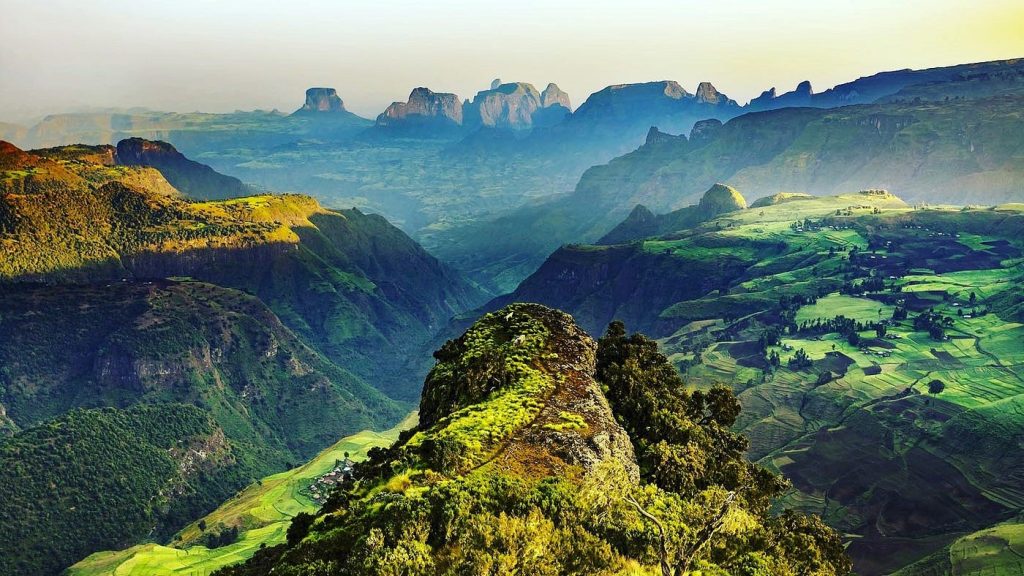
The Ethiopian Highlands are a large mountainous region in central and northern Ethiopia, often called the “Roof of Africa” due to their high elevation. Formed by ancient volcanic activity and uplift from the East African Rift, they consist of rugged plateaus, deep valleys, and peaks rising over 4,500 meters. This region is known for its unique biodiversity, with many endemic species like the Ethiopian wolf and Gelada baboon. It also has a rich cultural history, including sites like Labella’s rock-hewn churches and ancient highland communities.
- Introduction to the Ethiopian Highlands
The Ethiopian Highlands, often called the “Roof of Africa,” are a vast mountainous region covering much of Ethiopia’s northern and central territory. This rugged landscape rises sharply from the surrounding lowlands, with elevations reaching over 4,500 meters at peaks like Ras Dashen, the country’s highest point. Exploring this region reveals not only its breathtaking natural beauty but also its geological significance as part of the East African Rift system. The highlands serve as the backbone of Ethiopia’s geography and have shaped its climate, ecology, and human history for millennia. - Geological Formation and Landscape
The Ethiopian Highlands were formed primarily through volcanic activity and tectonic uplift related to the rifting of the African continent. Millions of years ago, the movement of the Earth’s crust created extensive lava plateaus, deep valleys, and steep escarpments. This varied topography includes the Simien and Bale Mountains, known for their dramatic cliffs and deep gorges. These geological processes continue to shape the landscape today, offering explorers unique terrain ranging from rocky peaks to fertile plateaus. - Unique Biodiversity and Endemic Species
The Ethiopian Highlands are a biodiversity hotspot, home to numerous endemic plants and animals found nowhere else on Earth. Species like the Ethiopian wolf—the world’s rarest canid—and the Gelada baboon thrive in the high-altitude Afroalpine ecosystems. These ecosystems are characterized by specialized vegetation adapted to cold temperatures and seasonal droughts. For nature enthusiasts and researchers, exploring the highlands means encountering unique wildlife and fragile habitats that are critical for conservation efforts. - Climate and Environmental Conditions
The highlands experience a varied climate, typically cooler and wetter than the surrounding lowlands. The rainy season nourishes the rich soils, supporting agriculture and natural forests. However, the region also faces environmental challenges such as soil erosion and deforestation, often caused by overgrazing and farming on steep slopes. Exploring the highlands provides insight into how communities adapt to these climatic conditions and the ongoing efforts to manage and protect the environment. - Cultural Significance and Ancient History
The Ethiopian Highlands are not only important for their natural features but also for their deep cultural heritage. This region is the cradle of ancient Ethiopian civilizations and religious traditions. For instance, the rock-hewn churches of Lalibela, carved from volcanic rock, attract pilgrims and historians alike. Highland communities have preserved ancient languages, customs, and agricultural techniques that connect modern Ethiopia with its historic past, making exploration a journey through both nature and culture. - Agriculture and Livelihoods
Agriculture is central to life in the Ethiopian Highlands, where fertile soils and favorable rainfall allow the cultivation of crops such as teff, barley, and wheat. Highland farmers have developed sophisticated terrace farming techniques to conserve soil and water on steep slopes. Exploring the highlands offers an understanding of traditional agricultural systems that sustain millions and the challenges they face from population pressure and climate change. - Adventure and Eco-tourism Potential
The Ethiopian Highlands are a prime destination for trekking, hiking, and wildlife watching. Popular routes through the Simien Mountains and Bale Mountains National Parks provide spectacular views, encounters with rare animals, and opportunities to experience remote villages. Adventure travelers can explore rugged landscapes, waterfalls, and alpine meadows. Eco-tourism in the highlands is growing, promoting sustainable practices that benefit local communities while preserving natural resources. - Challenges Facing the Region
Despite its beauty and richness, the Ethiopian Highlands face significant environmental and socio-economic challenges. Soil erosion, deforestation, and land degradation threaten agricultural productivity and biodiversity. Rapid population growth increases pressure on natural resources, leading to conflicts over land and water. Exploration helps highlight these issues and the urgent need for sustainable development and conservation initiatives to protect the region’s future. - Scientific Research and Conservation Efforts
The Ethiopian Highlands have attracted scientists studying ecology, geology, climate, and anthropology. Research here has contributed to understanding high-altitude ecosystems, endemic species, and human adaptation to mountainous environments. Conservation programs focus on protecting endangered species like the Ethiopian wolf and restoring degraded landscapes. Exploration often goes hand in hand with research, as scientists and travelers contribute to data collection and awareness. - Conclusion: The Value of Ethiopian Highlands Exploration
Exploring the Ethiopian Highlands offers a unique blend of natural wonder, cultural richness, and scientific discovery. It reveals a complex landscape shaped by volcanic forces, home to rare wildlife and ancient human traditions. While facing environmental and social challenges, the highlands remain a vital region for Ethiopia and Africa. Continued exploration, sustainable tourism, and research are essential to preserving this extraordinary area for future generations to appreciate and learn from.
Where to stay in Ethiopian highlands
- Lalibela
- Lalibela Hotel — Comfortable mid-range hotel close to the famous rock-hewn churches.
- Maribela Hotel — Boutique hotel with good amenities and stunning views.
- Tana Hotel — Budget-friendly guesthouse with basic facilities.
- Gondar
- Goha Hotel — A popular hotel with good service and central location.
- Taye Belay Hotel — Budget option with basic comforts.
- Simien Lodge — Near the Simien Mountains, ideal for starting trekking tours.
- Simien Mountains National Park Area
- Simien Lodge — The most well-known lodge near the park, offering comfortable accommodation close to trekking routes.
- Village Campsites or Homestays — For adventurous travelers wanting authentic local experiences.
Things to do in Ethiopian highlands
- Trek the Simien Mountains
Hike through the stunning Simien Mountains National Park, a UNESCO World Heritage site known for dramatic cliffs, deep valleys, and rare wildlife like the Ethiopian wolf and Gelada baboon.
- Visit Lalibela’s Rock-Hewn Churches
Explore the 12th-century monolithic churches carved directly out of volcanic rock, a marvel of medieval architecture and an important pilgrimage site.
- Explore Bale Mountains National Park
Discover alpine meadows, endemic species like the Mountain Nyala, and the Sanetti Plateau — perfect for hiking and wildlife spotting.
Day trip from Ethiopian highlands
From Addis Ababa (Gateway to the Highlands)
- Entoto Hills: Just 30 minutes from the city, hike or drive up to the Entoto Hills for panoramic views of Addis Ababa, historic churches, and eucalyptus forests.
- Debre Libanos Monastery & Portuguese Bridge: About 2.5 hours away, visit this ancient monastery with beautiful surroundings and the nearby historic bridge over the Jema River gorge.
From Lalibela
- Ashetan Maryam Monastery: A short hike to this cliffside monastery with stunning views over the highlands and the Wenz River gorge.
- Nakuto Le’ Abe Monastery: Another nearby rock-hewn church complex worth exploring for its history and architecture.
From Gondar
- Fasil Ghebbi (Royal Enclosure): Explore this UNESCO site with castles, palaces, and bathhouses within walking distance of the town center.
- Debre Berhan Selassie Church: Famous for its beautiful ceiling murals of angels, just a short drive from Gondar.
From Bahir Dar (near Highlands)
- Blue Nile Falls (Tis Issat): About 30 km from Bahir Dar, visit the spectacular “Tears of the Nile” waterfall—best during the rainy season.
- Lake Tana Island Monasteries: Take a boat tour to visit some of the ancient island monasteries with beautiful murals and religious artifacts.