

Introduction
Madagascar is the world’s fourth-largest island, located off the southeast coast of Africa in the Indian Ocean. Known for its incredible biodiversity, over 90% of its wildlife is found nowhere else on Earth. The island features diverse landscapes, including rainforests, dry forests, and unique spiny deserts. Madagascar is famous for its lemurs, chameleons, and vibrant plant life, making it a top destination for nature lovers and wildlife enthusiasts.
- Unique Biodiversity of Madagascar
Madagascar is often called the “eighth continent” due to its extraordinary biodiversity and high levels of endemism. Separated from mainland Africa about 88 million years ago, it developed unique ecosystems that host species found nowhere else in the world. Over 90% of the island’s wildlife, including plants, animals, and insects, are endemic. This makes Madagascar a living laboratory for evolutionary biology and a dream destination for wildlife enthusiasts and researchers alike.
- Iconic Lemurs: Madagascar’s Prized Residents
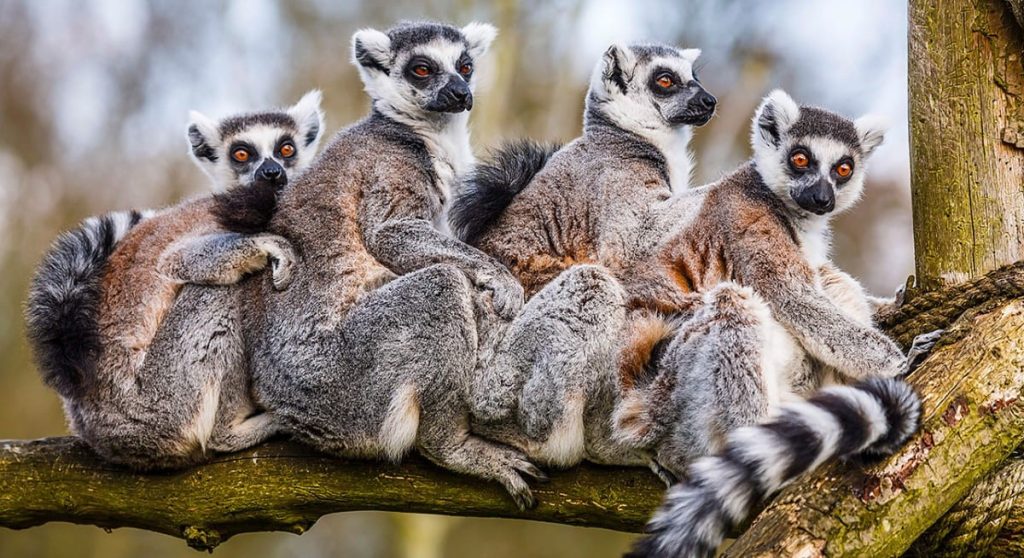
Lemurs are the symbol of Madagascar’s wildlife adventure. With over 100 species and subspecies, lemurs range from tiny mouse lemurs to the large indri, known for its haunting calls echoing through the forest. These primates exhibit a fascinating array of behaviors and adaptations, from the acrobatic sifakas to the nocturnal aye-aye. Observing lemurs in their natural habitats offers a magical and unforgettable experience that is central to any wildlife tour on the island.
- Diverse Habitats: From Rainforests to Spiny Forests
Madagascar’s landscape is incredibly varied, ranging from dense tropical rainforests in the east to dry deciduous forests and unique spiny forests in the south and southwest. Each habitat supports different species specially adapted to survive there. Exploring these diverse ecosystems, often through guided hikes and safaris, allows adventurers to witness the island’s rich flora and fauna in all their splendor, revealing the evolutionary marvels of nature.
- Birdwatching Paradise
For bird lovers, Madagascar is a treasure trove. Over 280 bird species are found on the island, with about half being endemic. Birdwatchers can spot vibrant vangas, elusive ground-rollers, and the peculiar cuckoo-roller, among others. Many protected reserves and national parks offer excellent birding opportunities, especially during the breeding season when the island’s avian inhabitants are most active and colorful.
- Reptiles and Amphibians: A Colorful Cast
Madagascar is home to an astonishing variety of reptiles and amphibians, many with striking colors and unique adaptations. Chameleons, including the smallest and largest species in the world, are abundant, along with leaf-tailed geckos, brightly colored frogs, and unusual snakes. Nighttime excursions often reveal these creatures in their natural behavior, adding an exciting dimension to any wildlife adventure.
- Marine Life and Coastal Wonders
Beyond its terrestrial wonders, Madagascar’s coastline and surrounding coral reefs harbor vibrant marine ecosystems. Snorkeling and diving in places like Nosy Be and the Great Barrier Reef of Madagascar allow visitors to see colorful coral gardens, tropical fish, sea turtles, and even dolphins and whales. The island’s marine biodiversity complements its land-based wildlife, making it an all-encompassing natural paradise.
- Conservation and Eco-Tourism Efforts
Madagascar faces significant environmental challenges, including deforestation, habitat loss, and climate change. However, numerous conservation programs and eco-tourism initiatives work to protect its unique wildlife and support local communities. Many wildlife adventures include visits to conservation centers, community-run reserves, and national parks, offering travelers a chance to contribute meaningfully to preservation efforts while enjoying unforgettable nature experiences.
- Cultural Connections with Nature
The Malagasy people have a deep cultural connection to their environment, with traditional beliefs and customs closely tied to local wildlife and landscapes. Throughout the adventure, travelers can learn about these cultural traditions, including taboos (“fady”) that protect certain species or sites. This cultural immersion adds richness to the wildlife experience and fosters a greater understanding of the island’s ecological and social fabric.
- Adventure Activities in Madagascar’s Wilds
Madagascar’s wildlife adventure is not just about observation—it also involves active exploration. From trekking through dense forests, canoeing along winding rivers, and camping under the stars to night walks in search of nocturnal animals, the island offers a variety of thrilling ways to connect with nature. These activities provide intimate encounters with wildlife and landscapes that few other places on Earth can match.
- Planning Your Madagascar Wildlife Adventure
Planning a trip to Madagascar requires thoughtful preparation to maximize the experience. Choosing the best time to visit, selecting reputable guides, and prioritizing key wildlife hotspots like Andasibe-Mantadia National Park, Ranomafana, and Ankarafantsika will ensure a rewarding journey. With its unparalleled biodiversity, rich culture, and adventurous spirit, Madagascar promises a wildlife adventure that stays with you for a lifetime.
Where to stay in Madagascar
- Antananarivo (Tana) – The Capital
Most visitors start or end their journey in Madagascar’s capital. Tana offers a range of hotels from budget guesthouses to luxury lodges. Popular choices include mid-range options like Hotel Sakamanga or more upscale stays such as the Carlton or Relais des Plateaux. Staying here is convenient for city tours or catching domestic flights to other regions.
- Andasibe-Mantadia National Park Area
This is one of the best places to see lemurs, especially the Indri. Accommodations here include eco-lodges and simple bungalows. Vakona Forest Lodge and Andasibe Hotel are favorites among wildlife travelers, offering comfortable rooms and easy access to the park trails.
- Ranomafana National Park
Known for its rich biodiversity and rainforest trekking, Ranomafana has lodges and guesthouses that blend into the forest environment. Options like Setam Lodge and Hotel Thermal provide cozy stays close to nature, perfect for early morning wildlife walks.
Things to do in Madagascar
- Spot Lemurs in National Parks
Visit places like Andasibe-Mantadia, Ranomafana, and Anja Reserve to see a wide variety of lemur species in their natural habitats. Don’t miss the Indri’s eerie calls or the playful ring-tailed lemurs.
- Explore the Tsingy de Bemaraha National Park
Walk on the “stone forest” of razor-sharp limestone pinnacles—a unique UNESCO World Heritage site. It’s a thrilling hike with amazing views and endemic wildlife.
- Go Birdwatching
Madagascar is a birder’s paradise with hundreds of species including vangas, ground-rollers, and the rare Madagascar fish eagle. National parks like Ankarafantsika and Masoala are top spots.
Day trip from Madagascar
- Andasibe-Mantadia National Park (From Antananarivo)
- Distance: About 3-4 hours drive east of Tana
- Highlights: This is the most popular day trip for wildlife lovers. You can explore the park’s trails, spot the indri lemur (the largest lemur species), and see other lemurs, chameleons, and birds. A guided morning hike in the Analamazaotra Reserve is best to catch active wildlife.
- Extras: Visit the Vakona Private Reserve nearby to see lemurs up close, including the “lemur island” where rescued lemurs live freely.
- Ambohimanga Royal Hill (From Antananarivo)
- Distance: About 1 hour from Tana
- Highlights: A UNESCO World Heritage Site, Ambohimanga is a historic royal city and spiritual site of the Malagasy monarchy. Explore the ancient palaces, traditional tombs, and learn about Madagascar’s rich cultural heritage. It’s a quieter, cultural alternative to wildlife tours.
- Nosy Komba (From Nosy Be)
- Distance: Short boat ride from Nosy Be
- Highlights: If you’re based in Nosy Be, take a day trip to Nosy Komba, known as “Lemur Island.” You can hike through the lush forest to see black lemurs, snorkel in clear waters, and visit local villages to experience traditional crafts.