

Introduction
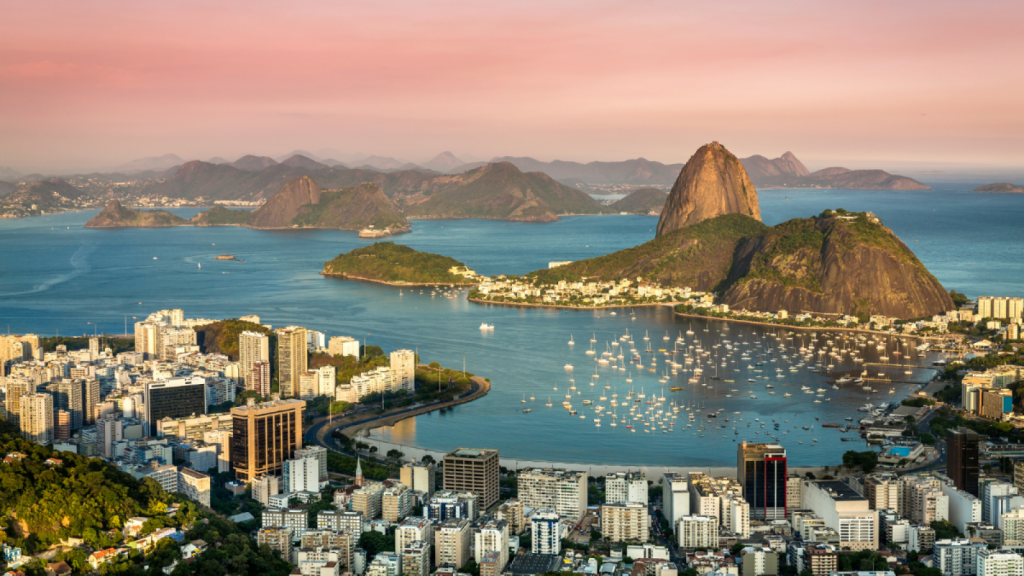
Brazil is the largest country in South America and the fifth largest in the world by area and population. It is known for its diverse culture, rich natural resources, and vibrant landscapes — from the Amazon Rainforest and Pantanal wetlands to beautiful beaches and iconic cities like Rio de Janeiro and São Paulo.
- The Amazon River: A Natural Wonder
The Amazon River is the largest river in the world by volume and spans about 4,000 miles (6,400 kilometers) through South America, with the majority flowing through Brazil. It is a vital artery for the continent, carrying more water than the next seven largest rivers combined. The river’s vast basin covers nearly 7 million square kilometers and supports one of the richest ecosystems on the planet. Exploring this natural wonder offers a unique glimpse into an environment that has remained largely pristine despite modern pressures. - Starting Point: Manaus, the Gateway to the Amazon
Most Amazon River explorations begin in Manaus, a bustling city located deep in the rainforest. Manaus serves as the main hub for travelers, researchers, and locals alike. This city blends modern urban life with the wild jungle, featuring the famous Amazon Theatre, a symbol of its historic wealth from rubber trade. From here, explorers board boats or small cruises to venture into the river’s heart, leaving behind the city’s hustle for the tranquility of the jungle. - Diverse Modes of Exploration
Exploring the Amazon River can take many forms depending on interests and time available. Options range from luxurious river cruises with all amenities to rustic canoe trips guided by local experts. For adventure seekers, kayaking or even hiking through flooded forests provides intimate access to wildlife and hidden lagoons. Each mode offers a different perspective of the river’s vastness and the diversity of its surrounding environment. - Rich Biodiversity: Wildlife Encounters
The Amazon basin is one of the most biologically diverse regions in the world. An exploration here means encountering creatures both familiar and exotic. From colorful macaws and toucans to elusive jaguars and giant river otters, the wildlife is astounding. Pink river dolphins, known locally as boto, are a highlight of many boat trips. Explorers also witness a vast array of fish, amphibians, reptiles, and insects, some of which are found nowhere else on Earth. - Indigenous Communities and Cultural Insights
The Amazon River is home to many indigenous tribes who have lived in harmony with the forest for centuries. During explorations, visitors often have the opportunity to visit these communities and learn about their unique traditions, languages, and knowledge of medicinal plants. These interactions provide valuable cultural insight and foster respect for the people who continue to protect and sustain the rainforest. - The Role of the Amazon in Climate and Ecology
The Amazon rainforest, nourished by the river, plays a crucial role in the Earth’s climate system. It acts as a massive carbon sink, absorbing large amounts of CO2, which helps regulate global temperatures. Exploring the river also highlights the delicate balance of this ecosystem and the ongoing threats it faces from deforestation, illegal mining, and climate change. Understanding these challenges is essential for promoting conservation efforts. - Unique Landscapes Along the River
The Amazon River flows through a variety of landscapes, from deep, winding channels to wide floodplains known as várzea. Explorers witness dramatic changes in scenery, including towering trees, dense jungle, and water-covered forests during the rainy season. These flooded areas create seasonal habitats for countless species and offer surreal experiences like paddling through submerged forests or camping on isolated riverbanks. - Adventure Activities and Experiences
Beyond sightseeing, Amazon exploration offers a range of adventurous activities. Night safaris reveal nocturnal animals and the chorus of jungle sounds. Fishing for piranhas provides an exciting challenge, while jungle trekking allows for close encounters with plant and animal life. Some expeditions include canopy walks on suspended bridges, giving visitors a bird’s-eye view of the rainforest. These experiences deepen the connection between traveler and environment. - Scientific Research and Conservation Efforts
The Amazon River is a focal point for scientists studying biodiversity, climate, and sustainable development. Many expeditions include components of citizen science, where travelers contribute to data collection on species or environmental conditions. Conservation groups work alongside local communities to promote eco-friendly tourism and protect endangered species. Exploring the river thus supports ongoing research and conservation initiatives. - Planning Your Amazon River Exploration
A successful Amazon River exploration requires careful planning. Choosing the right time of year, typically during the dry season (July to December), ensures easier navigation and better wildlife sightings. Selecting a reputable guide or tour operator is crucial for safety and environmental responsibility. Whether you seek comfort, adventure, or cultural immersion, the Amazon River offers a transformative journey into one of Earth’s last great wildernesses.
Where to stay in Brazil
- Rio de Janeiro
- Copacabana & Ipanema: Famous beach neighborhoods with a range of hotels, from luxury (like Belmond Copacabana Palace) to budget hostels. Great for beach lovers and nightlife.
- Santa Teresa: Bohemian neighborhood with charming boutique guesthouses and artistic vibes.
- São Paulo
- Jardins: Upscale area with stylish hotels, shopping, and restaurants.
- Vila Madalena: Trendy neighborhood with artsy hostels and lively bars.
- Amazon Region (Manaus)
- Manaus city: Options range from mid-range hotels to eco-lodges. Often the base before exploring the Amazon River.
- Amazon Lodges: Deep jungle eco-lodges and riverboats offer immersive stays within the rainforest, often all-inclusive with guided tours.
Things to do in Brazil
- Visit Christ the Redeemer in Rio de Janeiro
Climb or take the train up Corcovado Mountain to see the iconic statue and enjoy panoramic views of Rio.
- Explore the Amazon Rainforest and River
Take guided tours or river cruises from Manaus to experience wildlife, indigenous cultures, and incredible biodiversity.
- Relax on Brazil’s Famous Beaches
Enjoy Copacabana and Ipanema in Rio, or explore lesser-known gems like Praia do Rosa, Jericoacoara, and Fernando de Noronha.
Day to from Brazil
- Petropolis
Visit the historic “Imperial City” nestled in the mountains. Explore the Imperial Museum, beautiful palaces, and lush gardens in a cooler climate just about 1.5-2 hours away. - Ilha Grande
A stunning island paradise with pristine beaches, hiking trails, and waterfalls. Take a boat from Angra dos Reis or Mangaratiba (about 2-3 hours from Rio) for a day of snorkeling, swimming, and nature. - Tijuca National Park
Just a short drive from central Rio, hike through one of the world’s largest urban rainforests, see waterfalls, and enjoy spectacular views from peaks like Pico da Tijuca.