

Introduction
Uruguay is a small South American country located between Brazil and Argentina along the Atlantic coast. Known for its stable democracy, friendly people, and high quality of life, Uruguay boasts beautiful beaches, vibrant culture, and a strong focus on social welfare. Its capital, Montevideo, blends colonial charm with modern urban life, while coastal towns like Punta del Este attract tourists with stunning shores and lively atmospheres.
- Introduction to Uruguay’s Beach Culture
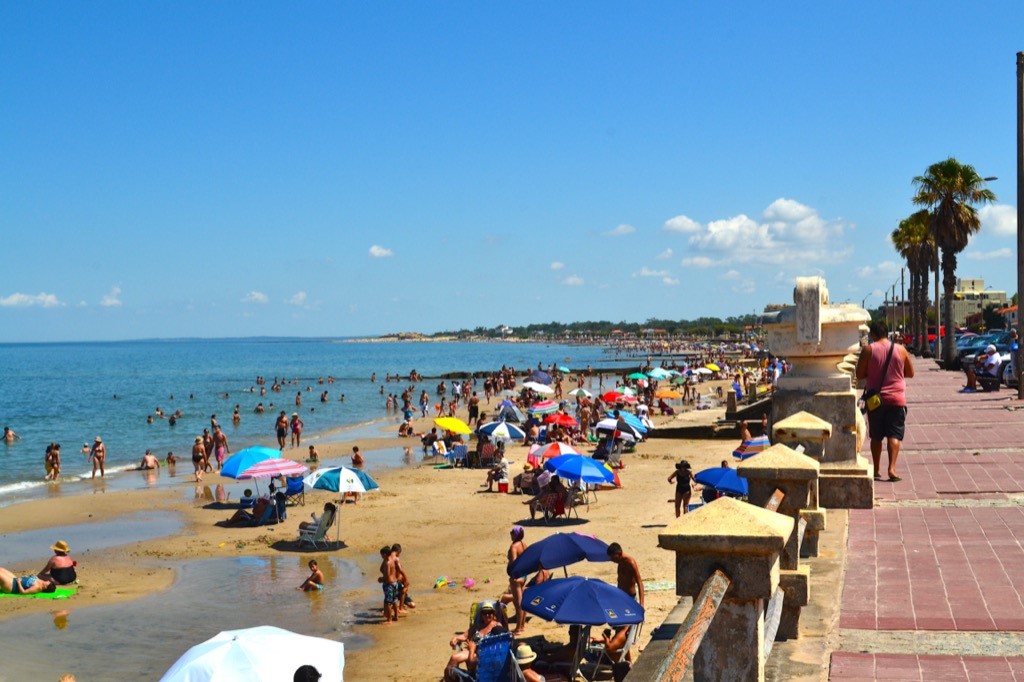
Uruguay, a small yet vibrant country in South America, is renowned for its rich beach culture. With an extensive coastline along the Atlantic Ocean, beaches play a central role in the daily lives of Uruguayans and are a major attraction for tourists. The culture here revolves around relaxation, socializing, and outdoor activities by the sea, reflecting the country’s love for nature and community.
- Popular Beaches and Coastal Towns
Uruguay’s coastline is dotted with famous beaches such as Punta del Este, La Paloma, and Cabo Polonio. Punta del Este is known as the “Monaco of the South” for its upscale resorts and lively nightlife. La Paloma offers a more relaxed, family-friendly atmosphere, while Cabo Polonio stands out with its untouched, rustic charm and absence of roads. Each beach town has its own unique vibe, catering to different types of visitors and lifestyles.
- Surfing and Water Sports
The Atlantic waves off Uruguay’s coast create perfect conditions for surfing, attracting both beginners and seasoned surfers. Playa La Aguada and La Paloma are popular surf spots where locals and tourists share the water. Beyond surfing, activities like kite surfing, paddleboarding, and sailing are common, reflecting the beach culture’s emphasis on an active, outdoor lifestyle.
- Social Gatherings and Beach Festivals
Uruguayans often gather on the beach for social events, from casual picnics to large festivals. Summer months bring lively celebrations such as the Carnaval de Punta del Este and the Fiesta de la Nostalgia, where music, dance, and community spirit come alive. These gatherings reinforce the social aspect of beach culture, fostering strong bonds between family, friends, and neighbors.
- Culinary Traditions by the Sea
Beach culture in Uruguay isn’t complete without its distinctive coastal cuisine. Seafood dishes like grilled fish, clams, and the famous Uruguayan “chivito” sandwich are staples enjoyed along the shore. Beachside “parrillas” (barbecue grills) serve up fresh catches and traditional asado, highlighting the local passion for good food shared outdoors.
- Environmental Awareness and Conservation
With the natural beauty of its beaches being a major draw, Uruguay has developed a culture of environmental respect and conservation. Many beach communities engage in clean-up efforts and sustainable tourism practices to preserve the coastline. Protected areas like the National Park of Santa Teresa demonstrate Uruguay’s commitment to balancing tourism with ecological preservation.
- Laid-back Lifestyle and Relaxation
One of the defining features of Uruguay’s beach culture is its relaxed, easygoing pace. Unlike the hectic beach scenes in other parts of the world, Uruguay’s coastal life encourages taking time to unwind, enjoy nature, and connect with others. Hammocks, long walks on the sand, and watching sunsets are simple pleasures deeply valued by locals.
- Cultural Integration and Tourism
Uruguay’s beach culture reflects a blend of indigenous, European, and modern influences. The country welcomes tourists from around the world, especially from Argentina and Brazil, who contribute to the cultural diversity of the coastal regions. This integration is visible in beachside architecture, art, and festivals, making the culture dynamic and ever-evolving.
- Seasonal Variations and Tourism Patterns
The beach culture in Uruguay is highly seasonal, with summer (December to February) being the peak time for visitors. During these months, beaches fill with tourists and locals enjoying the warm weather. Off-season months offer quieter beaches, attracting those who prefer solitude and nature’s calm, which adds a unique rhythm to coastal life.
- Future of Uruguay’s Beach Culture
Looking ahead, Uruguay’s beach culture faces both opportunities and challenges. Increasing tourism boosts the economy but also pressures natural resources. Efforts to promote sustainable tourism, infrastructure improvements, and cultural preservation aim to keep Uruguay’s beaches vibrant yet protected. This balance will ensure that future generations continue to enjoy and celebrate Uruguay’s unique coastal way of life.
Where to stay in Uruguay
- Montevideo
As the capital city, Montevideo offers a mix of urban culture and beach access. Stay in the Ciudad Vieja (Old Town) for historic charm and vibrant nightlife, or along the Rambla, the seaside promenade, for beautiful ocean views. Hotels, boutique guesthouses, and modern apartments are plentiful here.
- Punta del Este
Known as Uruguay’s premier beach resort, Punta del Este has luxury hotels, beachfront resorts, and vacation rentals. The La Mansa beach side is calmer and family-friendly, while La Brava beach is popular with surfers and partygoers. It’s ideal for travelers seeking nightlife, upscale dining, and beach parties.
- Piriapolis
A charming seaside town with a more relaxed vibe than Punta del Este. Piriapolis offers cozy inns, boutique hotels, and affordable rentals. It’s perfect for travelers wanting a quieter beach experience with easy access to nature trails and historic landmarks.
Things to do in Uruguay
- Explore Montevideo’s Rambla and Ciudad Vieja
Walk or bike along Montevideo’s scenic seaside promenade, the Rambla, and wander through Ciudad Vieja’s historic streets filled with markets, galleries, and cafes.
- Relax on Punta del Este’s Beaches
Enjoy sunbathing, swimming, and nightlife at Punta del Este’s famous beaches like Playa Brava and Playa Mansa. Don’t miss the iconic “La Mano” sculpture rising from the sand.
- Visit Colonia del Sacramento
Step back in time in this UNESCO World Heritage town, known for cobblestone streets, colonial architecture, and charming plazas.
Day trip from Uruguay’
- Colonia del Sacramento (from Montevideo)
Just about 2 hours by car or bus, this UNESCO-listed town is perfect for a day of exploring cobblestone streets, historic architecture, and quaint cafes. Rent a bike or walk through the Barrio Historico and enjoy the laid-back vibe.
- Piriapolis (from Montevideo or Punta del Este)
A charming seaside town about 1.5 hours from Montevideo, perfect for relaxing on beaches, hiking up Cerro San Antonio for panoramic views, and strolling the waterfront promenade.
- Cabo Polonio (from Punta del Este)
While a bit remote, it’s possible to visit Cabo Polonio on a day trip. Experience its wild beaches, sand dunes, and sea lion colonies. Note: Access is via special 4×4 trucks from the nearby village of Valizas.