

Introduction
The Peruvian Amazon is the part of the Amazon rainforest located within Peru’s borders. It’s one of the most biodiverse areas on Earth, home to thousands of plant and animal species. The Amazon River and its many tributaries cross this vast tropical rainforest. Indigenous communities who have lived sustainably in the region for centuries also inhabit it. The Peruvian Amazon is a popular destination for eco-tourism, offering visitors opportunities to explore wildlife, lush landscapes, and rich cultural traditions.
- Introduction to the Peruvian Amazon
Visiting the Peruvian Amazon is a journey into one of the most remarkable ecosystems on Earth. Covering more than 60% of Peru’s territory, this vast rainforest is part of the greater Amazon Basin, the largest tropical rainforest in the world. Known for its incredible biodiversity, the Peruvian Amazon is home to countless species of plants, animals, and insects, many of which are found nowhere else. It’s a living laboratory of nature, offering travelers a chance to experience raw wilderness, vibrant cultures, and breathtaking landscapes.
- Rich Biodiversity and Wildlife
One of the biggest draws of the Peruvian Amazon is its staggering biodiversity. From elusive jaguars and giant river otters to colorful macaws and the iconic pink river dolphins, wildlife enthusiasts have plenty to marvel at. Birdwatchers can spot hundreds of species, including toucans and harpy eagles. The dense forests teem with insects, reptiles, amphibians, and countless plant species. Guided tours often take visitors deep into the jungle for close encounters with this unique wildlife, providing unforgettable photo and nature-watching opportunities.
- The Mighty Amazon River and Its Tributaries
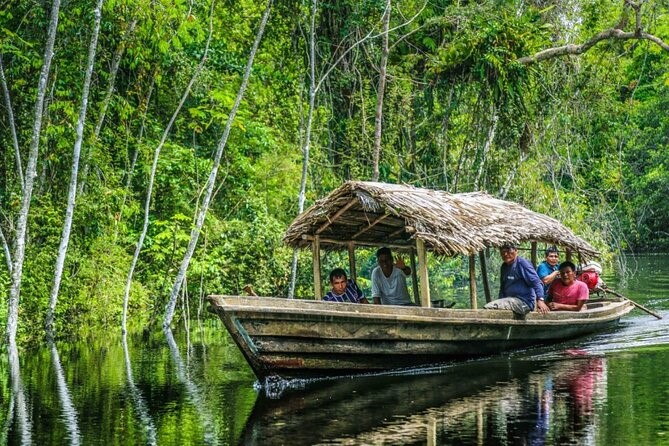
The Amazon River, the lifeblood of the rainforest, flows through Peru and serves as a primary route for travel and exploration. Cruises along the river and its tributaries allow visitors to see the forest from a different perspective, watching how the waterway supports the local ecosystem and communities. River tours range from luxury cruises to rustic boats, and they often include stops at small villages, beaches, and wildlife-rich areas, offering a unique combination of adventure and cultural insight.
- Indigenous Communities and Their Culture
The Peruvian Amazon is not only about nature but also about the people who call it home. Indigenous groups such as the Asháninka, Shipibo, and Yagua have lived sustainably in the rainforest for generations. Visitors can learn about their traditional ways of life, from fishing and farming to crafting intricate textiles and pottery. Many tours include visits to indigenous communities where travelers can experience traditional music, dance, and ceremonies, gaining a deeper appreciation for their close relationship with the forest.
- Eco-Tourism and Sustainable Travel
Sustainability is a key focus in the Peruvian Amazon, as tourism plays an important role in supporting conservation efforts and local livelihoods. Many lodges and tour operators promote eco-friendly practices, including minimizing waste, using renewable energy, and supporting community projects. Staying in an eco-lodge often means comfortable accommodation that blends with the environment, guided by experts who emphasize responsible wildlife viewing and environmental education. Eco-tourism helps protect this fragile ecosystem for future generations.
- Adventure Activities in the Jungle
For those seeking excitement, the Peruvian Amazon offers a wide range of adventure activities. Jungle trekking is popular, with trails leading through dense forests to hidden waterfalls and panoramic viewpoints. Kayaking or canoeing along smaller rivers lets travelers explore quiet backwaters teeming with wildlife. Night safaris reveal a different world of nocturnal animals and sounds. Some tours include canopy walks or zip-lining through the treetops, offering thrilling experiences and unique perspectives of the rainforest.
- Best Time to Visit
The Peruvian Amazon is a year-round destination, but weather conditions vary between the wet and dry seasons. The dry season (May to September) is often considered the best time to visit because trails are more accessible and there are fewer mosquitoes. However, the wet season (October to April) brings lush greenery, higher river levels for boat tours, and opportunities to see certain wildlife species more active. Each season offers a different experience, so travelers should plan according to their preferences and desired activities.
- How to Get There
Most travelers begin their journey to the Peruvian Amazon by flying into Iquitos or Puerto Maldonado, two main gateway cities. Iquitos, accessible only by air or river, is located in the northern Amazon and offers access to the Pacaya Samiria National Reserve. Puerto Maldonado lies in the southern Amazon near the Madre de Dios region, a hotspot for eco-lodges and Manu National Park. From these cities, visitors can reach jungle lodges and tours via riverboats, motorized canoes, or small planes.
- Where to Stay: Lodges and Accommodations
Accommodations in the Peruvian Amazon range from rustic jungle huts to luxurious eco-lodges. Many lodges are located deep within the rainforest, providing an immersive experience surrounded by nature. These lodges typically offer guided excursions, meals featuring local ingredients, and comfortable amenities designed to blend with the environment. Choosing the right lodge depends on the level of comfort desired and the type of experiences sought — some cater to adventurous travelers, while others focus on relaxation and wildlife observation.
- Practical Tips for a Safe and Enjoyable Visit
Preparing for a trip to the Peruvian Amazon requires some careful planning. Visitors should bring lightweight, breathable clothing, insect repellent, and waterproof gear due to the humid and rainy conditions. Vaccinations and health precautions, such as malaria prophylaxis, may be recommended. Hiring knowledgeable guides ensures safe navigation through the jungle and enhances the learning experience. Respecting local customs and wildlife, staying hydrated, and following eco-tourism guidelines will help ensure a memorable, safe, and responsible visit to this incredible part of the world.
Where to Stay in the Peruvian Amazon
- Eco-Lodges
Eco-lodges are by far the most popular and recommended accommodation type in the Peruvian Amazon. These lodges are built with sustainability in mind, blending into the natural surroundings and minimizing environmental impact. They often provide guided tours, wildlife spotting excursions, and cultural experiences. Eco-lodges range from rustic to luxurious, offering comfortable amenities while maintaining an authentic jungle vibe.
Popular Eco-Lodge Areas:
- Puerto Maldonado: Gateway to the Madre de Dios region, with numerous eco-lodges near Tambopata National Reserve. Lodges here offer jungle treks, canopy walks, and boat tours.
- Iquitos: Northern Amazon hub with lodges around Pacaya Samiria National Reserve and along the Amazon River. Ideal for wildlife and river exploration.
- Tambopata: Known for its biodiversity hotspots and clay licks where macaws gather, eco-lodges in this area provide great wildlife viewing.
- Jungle Hotels and Hostels
For budget travelers, jungle hotels and hostels in gateway towns like Iquitos and Puerto Maldonado offer affordable places to stay before heading deeper into the jungle. These tend to be simple accommodations with basic amenities but good access to tours and transportation. - River Cruises and Floating Hotels
Another unique option is staying on a river cruise boat or floating lodge. These cruises offer multi-day trips along the Amazon and its tributaries, combining accommodation with guided wildlife tours, fishing, and cultural visits. They provide an immersive experience and convenience for exploring remote areas.
Things to Do in the Peruvian Amazon
- Jungle Trekking
Explore the dense rainforest on guided hikes that take you through lush vegetation, past waterfalls, and to wildlife-rich areas. Trails vary in difficulty and length, giving you a chance to spot monkeys, birds, insects, and maybe even a jaguar’s tracks. - Amazon River and Tributary Cruises
Take a boat tour or multi-day cruise along the Amazon River or smaller tributaries. Enjoy peaceful river views, spot river dolphins, and visit remote villages. Nighttime river cruises offer a chance to hear and see nocturnal wildlife. - Wildlife Watching
The Peruvian Amazon is a wildlife hotspot. Guided excursions focus on spotting animals like macaws, sloths, caimans, giant river otters, monkeys, and pink river dolphins. Birdwatchers especially appreciate the variety of colorful species.
Day Trip from the Peruvian Amazon
Morning:
- Departure from Puerto Maldonado: Start early and take a motorized canoe ride along the Madre de Dios River, enjoying the lush scenery and early morning wildlife sounds.
- Visit a Wildlife Rescue Center: Stop at a local animal rescue or rehabilitation center (like the Taricaya Ecological Reserve) to see rescued animals such as monkeys, parrots, and reptiles, and learn about conservation efforts.
Midday:
- Jungle Walk: Embark on a guided hike through the rainforest trails. Your guide will help you spot birds, insects, and other wildlife while explaining the flora and fauna’s ecological importance.
- Canopy Walk or Tower: Experience the jungle from above by walking on a suspended canopy bridge or climbing a lookout tower, offering stunning views and chances to spot treetop wildlife.
Afternoon:
- Lunch at an Eco-Lodge: Enjoy a traditional Amazonian meal at a nearby eco-lodge, often prepared with local ingredients like fish, plantains, and exotic fruits.
- Boat Ride on the River: Take a relaxed boat trip along the river, watching for pink river dolphins, caimans, and other river wildlife. Stop by a small native community or a local beach if time permits.
Late Afternoon:
- Return to Puerto Maldonado: Head back to town as the sun sets, soaking in the peaceful jungle atmosphere and reflecting on your immersive day in the Amazon.