

Introduction
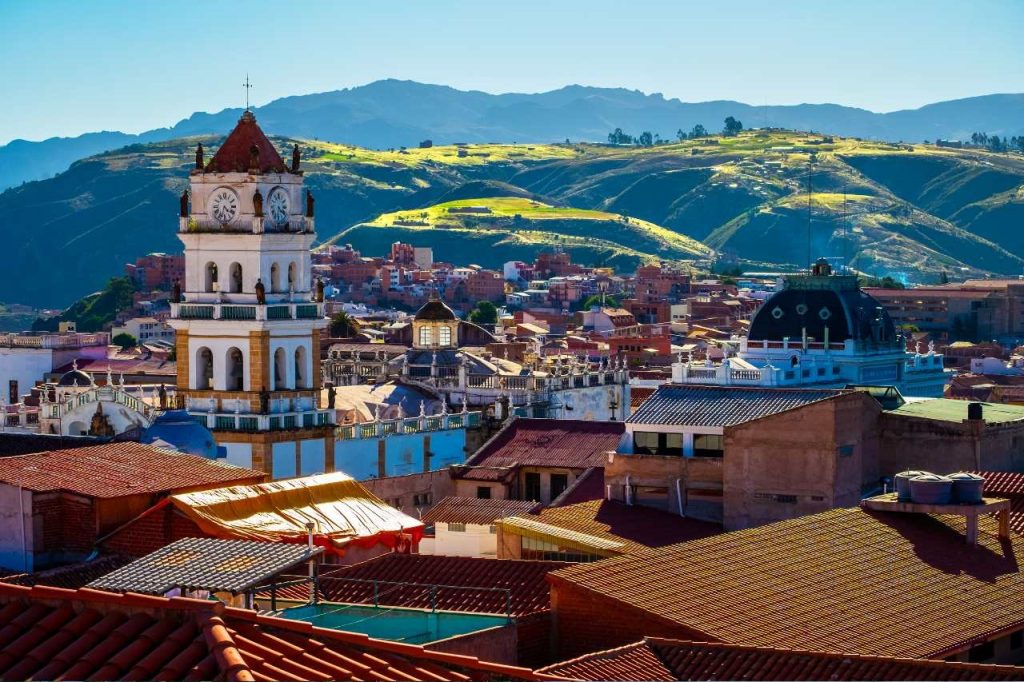
Bolivia is a landlocked country in the heart of South America, known for its rich cultural heritage, diverse landscapes, and indigenous traditions. It shares borders with Brazil, Peru, Chile, Argentina, and Paraguay. The country features dramatic geography—from the Andes Mountains and Altiplano plateau to the Amazon rainforest and high-altitude salt flats like Salar de Uyuni. Bolivia has two capitals: La Paz (administrative) and Sucre (constitutional). Home to a large indigenous population, Bolivia celebrates deep-rooted traditions, vibrant festivals, and a unique mix of Aymara, Quechua, and Spanish influences. It’s also known for its natural wonders, colorful markets, and adventurous travel experiences.
- The Largest Salt Flat in the World
Located in southwest Bolivia, Salar de Uyuni is the world’s largest salt flat, spanning over 10,000 square kilometers (3,900 square miles). It was formed when prehistoric lakes dried up thousands of years ago, leaving behind a thick crust of salt. What makes it truly remarkable is its vast, flat surface that seems to stretch into infinity. This otherworldly expanse creates the illusion of a white desert, especially striking under the intense Andean sun. It’s one of the most surreal and iconic landscapes on Earth, attracting photographers, nature lovers, and adventurers from all over the world.
- The Mirror Effect: A Natural Phenomenon
One of the most famous and magical features of Uyuni Salt Flats occurs during the rainy season (usually from January to March), when a thin layer of water accumulates on the salt crust. This turns the surface into a perfect natural mirror, reflecting the sky, clouds, and anything above it. The result is a dreamlike, mirror-like landscape that creates the illusion of walking in the sky. Tourists and photographers travel from around the globe to witness and capture this rare and stunning phenomenon that only happens under specific weather conditions.
- Unique Geometric Salt Patterns
During the dry season, typically from April to November, the salt flat takes on a completely different but equally fascinating appearance. The evaporation of water from the surface causes the salt to crystallize into hexagonal patterns, forming natural, geometric shapes that stretch for miles. These patterns make the landscape appear like a natural mosaic. This is also the best time for travelers to drive or walk across the flats, as the hard salt crust becomes easily accessible for vehicles, making it the ideal season for classic 4×4 tours.
- The Train Graveyard: A Rusted Relic of the Past
Just outside the town of Uyuni, travelers can visit the eerie and fascinating Train Graveyard (Cementerio de Trenes). This open-air museum of decaying locomotives dates back to the late 19th and early 20th centuries, when Uyuni was a major transportation hub for mining. When the mining industry declined, many trains were abandoned and left to rust in the desert. Today, the site is a popular photo stop, offering an intriguing contrast between industrial ruins and the timeless beauty of the salt flats.
- Salt Hotels: Sleeping on Salt
In the middle of the Salar, visitors can find accommodations unlike anywhere else on Earth—hotels made entirely of salt. These unique structures are built using blocks of salt for walls, floors, and even furniture. The most famous among them is Palacio de Sal, offering basic yet comfortable rooms and a once-in-a-lifetime experience. Staying in a salt hotel adds to the magic of the journey and lets visitors immerse themselves more deeply into this extraordinary environment.
- Extraordinary Wildlife and Ecosystems
Despite its extreme conditions, Salar de Uyuni and its surrounding areas support unique wildlife, especially during the rainy season. Several species of flamingos, including the rare James’s flamingo, migrate to the nearby high-altitude lagoons to breed. Other notable wildlife includes vicuñas, llamas, foxes, and Andean birds. The region’s biodiversity surprises many who expect a barren landscape, showing that life thrives even in the most unexpected places.
- A Photographer’s Paradise
Whether it’s the mirror effect of the wet season or the stark geometry of the dry season, Salar de Uyuni is one of the most photogenic places in the world. Travelers often use perspective tricks due to the flat, horizonless terrain—posing with props or people at various distances to create funny and creative images. Sunrise and sunset over the salt flats provide dazzling light and color, making it a dream location for both amateur and professional photographers.
- Gateway to the Altiplano’s Natural Wonders
Most Uyuni tours include not just the salt flats but also excursions to nearby attractions across the Altiplano region, such as the Eduardo Avaroa National Park, Laguna Colorada (Red Lagoon), Laguna Verde (Green Lagoon), and the Sol de Manana geysers. These destinations offer vibrant colors, geothermal activity, and dramatic volcanic landscapes, creating a multi-day adventure that showcases Bolivia’s raw, untouched natural beauty.
- Cultural Connections and Local Life
Uyuni is also home to indigenous communities, primarily Quechua and Aymara people, who have lived in the region for centuries. They harvest salt and operate small-scale tourism businesses, sharing their customs and knowledge with visitors. Travelers can buy hand-crafted goods, eat local cuisine like quinoa soup or llama steak, and learn about the traditional ways of life in the harsh, high-altitude environment. The salt flats offer not just scenery but also cultural enrichment.
- Planning Your Visit: Tips and Practical Info
To visit Salar de Uyuni, most travelers start in the town of Uyuni, accessible by train, bus, or flights from cities like La Paz or Sucre. A variety of tour options are available, ranging from 1-day trips to 3-day expeditions that cover the surrounding landscapes. It’s essential to prepare for the altitude—over 3,600 meters (11,800 feet)—and bring warm clothes, sunscreen, and plenty of water. Whether you choose a luxury tour or a budget backpacking trip, proper planning ensures you’ll experience one of South America’s most unforgettable destinations.
Where to stay in Bolivia
- La Paz – Bolivia’s administrative capital
Luxury:
- Casa Grande Hotel – Modern 5-star hotel in the south of the city, excellent amenities.
- Atix Hotel – Stylish boutique hotel with Andean art and a rooftop pool.
Mid-Range:
- La Casona Hotel Boutique – Historic colonial building, centrally located.
- Hotel Rosario La Paz – Comfortable, colorful rooms near the main market.
Budget:
- The Adventure Brew Hostel – Popular with backpackers, social atmosphere.
- Loki Hostel – Party hostel with a bar and stunning mountain views.
- Uyuni – Gateway to the Salt Flats
Luxury:
- Hotel Palacio de Sal – Famous hotel made almost entirely of salt.
- Hotel Luna Salada – Another salt hotel with panoramic views of the flats.
Mid-Range:
- Cristales Joyas de Sal – Comfortable rooms, good service, and modern amenities.
- Hotel Jardines de Uyuni – Warm décor, decent food, and close to tour operators.
Budget:
- Hostal La Magia de Uyuni – Great value, cozy atmosphere.
- Kory Wasy Hostel – Simple but clean, friendly staff.
- Sucre – Bolivia’s constitutional capital
Luxury:
- Parador Santa María La Real – Gorgeous colonial-style hotel with spa services.
- Hotel Boutique Mi Pueblo Samary – Charming traditional decor and gardens.
Mid-Range:
- Hotel Villa Antigua – Courtyard hotel in a colonial house.
- Hotel de Su Merced – Well-rated and walkable to the city center.
Budget:
- Casa Verde B&B – Hostel vibe with hotel comfort and a pool.
- KulturBerlin Hostel – Social atmosphere, great for meeting other travelers.
Things to do in Bolivia
- Explore the Uyuni Salt Flats (Salar de Uyuni)
- Visit the world’s largest salt flat
- Experience the mirror effect during the rainy season
- See the Train Graveyard and salt hotels
- Take fun perspective photos and watch epic sunsets
- Visit La Paz and Ride the Cable Cars (Mi Teleferico)
- Explore the world’s highest capital city
- Take in panoramic views from the extensive cable car network
- Visit the Witches’ Market and Moon Valley
- Take a day trip to the ruins of Tiwanaku
- Bike Down Death Road (Yungas Road)
- Cycle the world’s most dangerous road—from the Andes into the jungle
- Stunning scenery, waterfalls, and adrenaline-pumping drops
- Guided tours include safety gear and transport back
Day trip from Bolivia
From La Paz
- Valle de la Luna (Moon Valley)
- Only 10 km from downtown La Paz
- Surreal, eroded landscape resembling the moon
- Ideal for a short hike and sunset photography
- Tiwanaku Ruins
- UNESCO World Heritage Site, about 1.5 hours west of La Paz
- Pre-Inca archaeological site with megalithic stonework and Sun Gate
- Learn about ancient Aymara civilization and visit the onsite museum
- Chacaltaya + Huayna Potosí Base Camp
- Former ski resort at 5,300 meters with panoramic views
- Combine with a short trek to the base of Huayna Potosi (popular climbing peak)
- Great for acclimatization or a scenic mountain adventure