
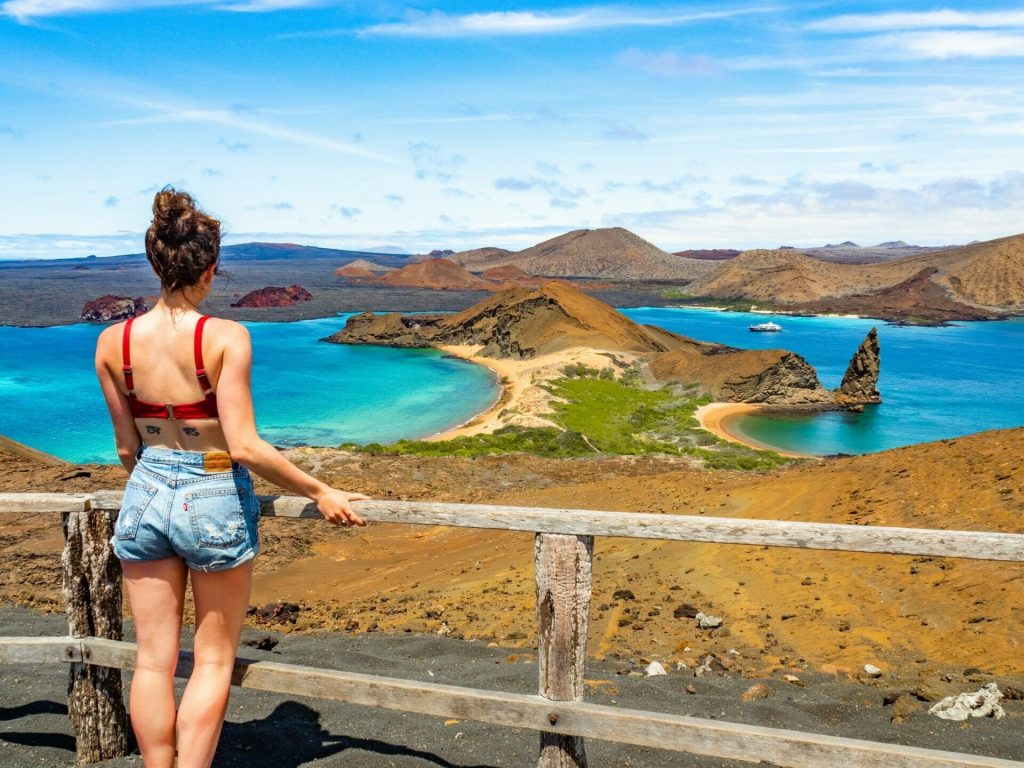

Introduction
The Galapagos Islands are a group of volcanic islands located in the Pacific Ocean, about 1,000 km (620 miles) off the coast of Ecuador. Famous for their unique and diverse wildlife, many species found here exist nowhere else on Earth. The islands played a key role in Charles Darwin’s theory of evolution due to their distinct ecosystems. Today, the Galapagos are a protected national park and a popular destination for eco-tourism, offering visitors opportunities to see giant tortoises, marine iguanas, blue-footed boobies, and vibrant marine life up close.
- Unique Biodiversity and Endemic Species
The Galapagos Islands are home to an incredible variety of wildlife, many species of which exist nowhere else on the planet. From the famous giant Galapagos tortoises to the marine iguanas that swim in the ocean, the archipelago boasts over 500 species of plants and animals unique to the islands. This rich biodiversity is a result of the islands’ isolation and diverse habitats, making it a living laboratory of evolution.
Visitors can observe animals with remarkably little fear of humans due to the lack of natural predators here, providing rare, close-up wildlife encounters. Bird enthusiasts will delight in spotting the blue-footed boobies, Galapagos finches, and magnificent frigatebirds.
- Charles Darwin and the Theory of Evolution
The Galapagos Islands gained worldwide scientific fame after Charles Darwin visited them in 1835 during his voyage on the HMS Beagle. Observing the islands’ species and their adaptations sparked Darwin’s ideas on natural selection, which eventually became the foundation of his theory of evolution.
Exploring the Galapagos means walking through a place that fundamentally shaped scientific understanding of life on Earth. Many of the islands have interpretive centers and guided tours that explain Darwin’s discoveries and the continuing research being done in the area.
- Volcanic Origins and Dramatic Landscapes
The islands are volcanic in origin, formed by hot spots beneath the ocean floor. The rugged terrain includes lava fields, volcanic cones, craters, and black sand beaches, offering dramatic landscapes that are both beautiful and otherworldly. Hiking these volcanic formations provides breathtaking views and a chance to witness the raw forces of nature.
Each island has distinct geological features — from the towering cliffs and beaches of Santa Cruz to the dramatic volcanic calderas of Isabela, the largest island.
- Marine Life and Snorkeling Adventures
The waters surrounding the Galapagos Islands are rich in marine life, making snorkeling and diving among the top activities. The Galapagos Marine Reserve, one of the largest protected marine areas in the world, shelters sea turtles, rays, hammerhead sharks, colorful reef fish, and playful sea lions.
Snorkeling in places like Devil’s Crown or Kicker Rock reveals vibrant underwater ecosystems and opportunities to swim alongside curious animals. Whether you’re a beginner or an experienced diver, exploring the marine life here is unforgettable.
- Sustainable Tourism and Conservation Efforts
The Galapagos Islands are a UNESCO World Heritage site and are carefully managed to balance tourism with conservation. Strict regulations limit the number of visitors and control human impact on the fragile ecosystems.
Tourists are encouraged to follow “Leave No Trace” principles and travel with certified guides who educate about the environment and wildlife. These efforts help preserve the islands’ natural beauty and biodiversity for future generations.
- Diverse Island Experiences
Each island in the Galapagos offers a unique experience. Santa Cruz, the most developed island, has research centers, quaint towns, and the famous Charles Darwin Research Station where you can see giant tortoise breeding programs.
Isabela, the largest island, is a haven for adventure seekers with volcano hikes, pristine beaches, and rich marine life. Española is known for its bird colonies and spectacular coastal views. Exploring multiple islands on a cruise or land-based tour lets travelers experience the diverse environments and wildlife habitats.
- Best Time to Visit
The Galapagos Islands are a year-round destination, but the experience varies with the seasons. The warm, wet season (December to May) offers calm seas, warmer water, and lush landscapes, ideal for snorkeling and swimming.
The cooler, dry season (June to November) brings nutrient-rich currents, attracting more marine life and making it perfect for diving and wildlife observation. Planning your trip according to your interests and preferred activities can enhance your experience.
- Guided Tours and Regulations
Visitors must explore the Galapagos Islands with licensed guides to ensure protection of the environment and safety. The guides provide valuable insights into the wildlife, geology, and history of the islands, enhancing the experience.
Strict rules are in place to minimize human impact, including staying on marked trails, maintaining distance from animals, and avoiding touching or feeding wildlife. Following these guidelines helps preserve the islands’ delicate ecosystems.
- Adventure Activities Beyond Wildlife Watching
While wildlife observation is the highlight, the Galapagos also offers various outdoor activities. Hiking, kayaking, paddleboarding, and even surfing can be enjoyed on different islands. Volcano trekking on Sierra Negra or Volcán Wolf offers stunning panoramas and a chance to see recent lava flows.
Kayaking along the calm bays allows for close encounters with marine animals and birdlife, while night tours reveal fascinating nocturnal species.
- Cultural and Local Experiences
Though the islands are primarily known for nature, local communities add cultural depth to the visit. Towns like Puerto Ayora on Santa Cruz island offer restaurants serving fresh seafood, artisan shops, and museums showcasing the islands’ history.
Interacting with locals provides insight into the challenges of living in such a remote and environmentally sensitive place. Supporting local businesses through eco-friendly tourism helps sustain the community and conservation efforts.
Where to Stay in the Galapagos Islands
- Santa Cruz Island
- Puerto Ayora is the main town and most popular place to stay on Santa Cruz.
- It offers a wide range of accommodations, from budget hostels and guesthouses to mid-range hotels and a few luxury lodges.
- Benefits: Close to the Charles Darwin Research Station, easy access to tours and excursions, restaurants, shops, and nightlife.
- Popular options: Finch Bay Eco Hotel (eco-friendly, beachfront), Hotel Solymar, and Iguana Crossing Boutique Hotel.
- Isabela Island
- More laid-back and less developed than Santa Cruz, Isabela is great for travelers seeking a quieter, more nature-focused stay.
- The town of Puerto Villamil has charming hotels and eco-lodges.
- Benefits: Close to volcanic hikes, beaches, and excellent snorkeling.
- Popular options: Iguana Crossing, Hotel Albemarle, and Casa de Marita.
- San Cristobal Island
- The capital of the Galapagos Province, Puerto Baquerizo Moreno, offers comfortable hotels and guesthouses.
- Benefits: Close to the Galapagos Interpretation Center, nice beaches, and great dive spots.
- Popular options: Hotel Solymar San Cristobal, Casa Opuntia.
Things to Do in the Galapagos Islands
- Visit the Charles Darwin Research Station (Santa Cruz)
Explore the research station dedicated to conservation and study of the Galapagos giant tortoise. Learn about breeding programs and the islands’ unique wildlife.
- Snorkeling and Diving
Swim alongside sea turtles, colorful fish, sea lions, and rays. Popular snorkeling spots include Devil’s Crown (Floreana), Kicker Rock (San Cristobal), and Las Tintoreras (Isabela).
- Hike Volcan Sierra Negra (Isabela)
Trek one of the largest volcanic craters in the world, with breathtaking views of the surrounding islands and recent lava flows.
Day Trips from the Galapagos Islands
- From Santa Cruz: Tortuga Bay
- A beautiful white-sand beach about a 2.5 km hike from Puerto Ayora.
- Great for swimming, kayaking, and spotting marine iguanas, sea turtles, and birds.
- The beach is perfect for relaxing and snorkeling in calm, clear waters.
- From Santa Cruz: Bartolomé Island
- Famous for its iconic Pinnacle Rock.
- Offers spectacular hiking trails with panoramic views of the islands.
- Snorkeling here reveals vibrant marine life including penguins, sharks, and colorful fish.
- From San Cristobal: Kicker Rock (León Dormido)
- A striking rock formation rising out of the ocean.
- Snorkeling and diving here is amazing, with chances to see hammerhead sharks, sea turtles, and rays.
- Boats leave early in the morning and return by afternoon.